Crafting experiential worlds through story, design, and technology.
A cross-disciplinary creative studio exploring depth, return, and meaning-making.
Some things are fun to play, to create, and to read.
At the intersection of storytelling, technology, and design, Proctor House Studio creates expressive, emotionally resonant products across mediums—from retrofuturistic robotics like Tomy 2000, to speculative science fiction epics like Lavegavon, to handcrafted symbolic tools and myth-inspired experiences.
I founded the studio to explore how ideas can move between worlds—imagined, physical, and emotional—through objects, systems, stories, and fun.
We imagine worlds, design their artifacts, and create experiences that feel both personal and timeless. Our mission is to craft artful, soulful products that expand consciousness—on the page, in the home, and in the imagination.
What’s happenin’ at the studio?
Scribing the myth.
Available now
For years, the studio has been journaling for 30 minutes multiple days a week.
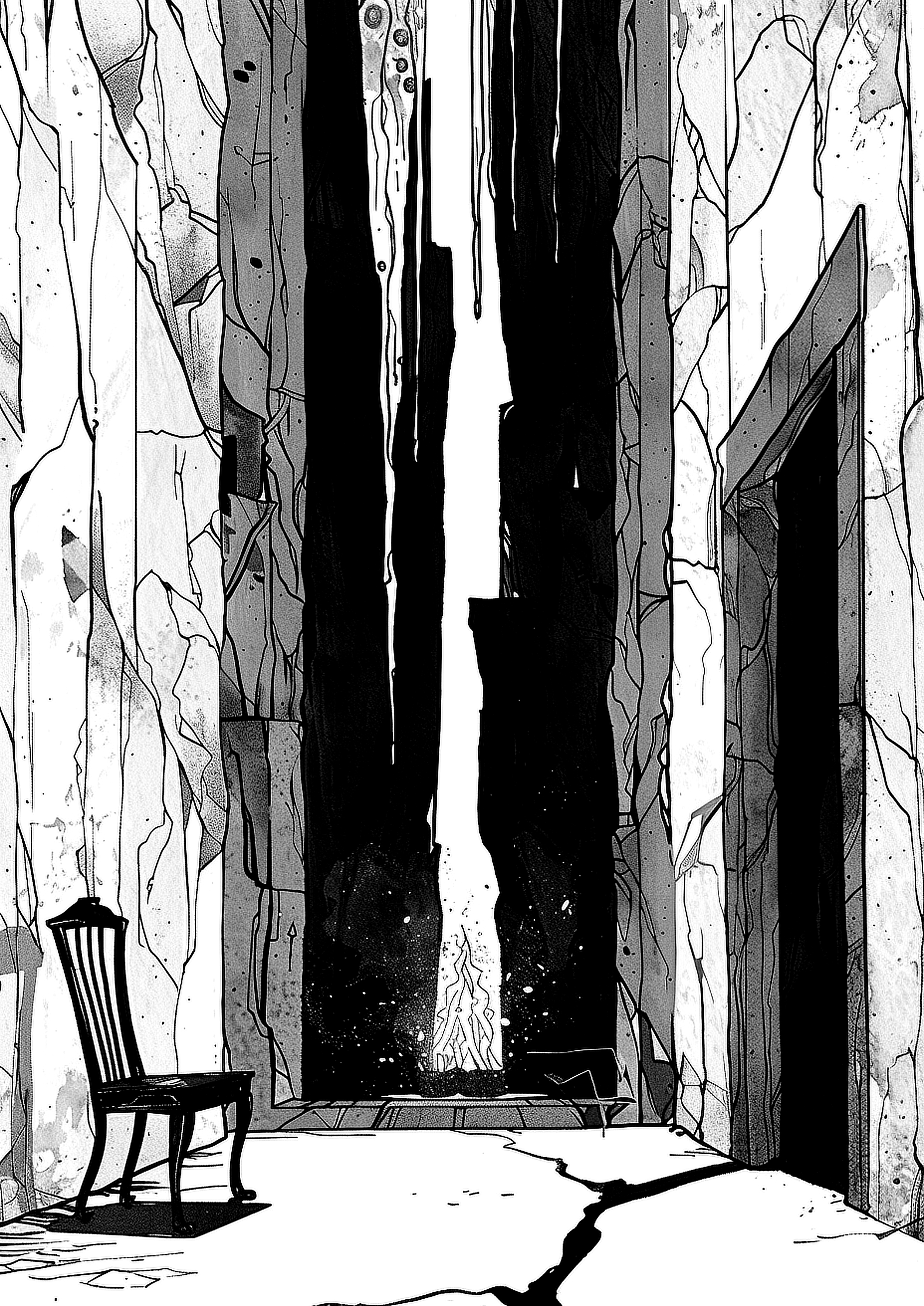
In a bold compilation of coherent symbolism, Saga of a Mortal Woman uses the breadth of Greek mythology and the somatic experiences with animals and communities to tell a vivid story of a woman’s experience receiving an answer from the gods.
Across sanctuaries, cities, and the open sea, she is tested not by fate alone—but by what she is willing to endure, and what that endurance costs her. Endurance is praised. Discipline is proof of worth.
But what if surviving too well is its own kind of confinement?
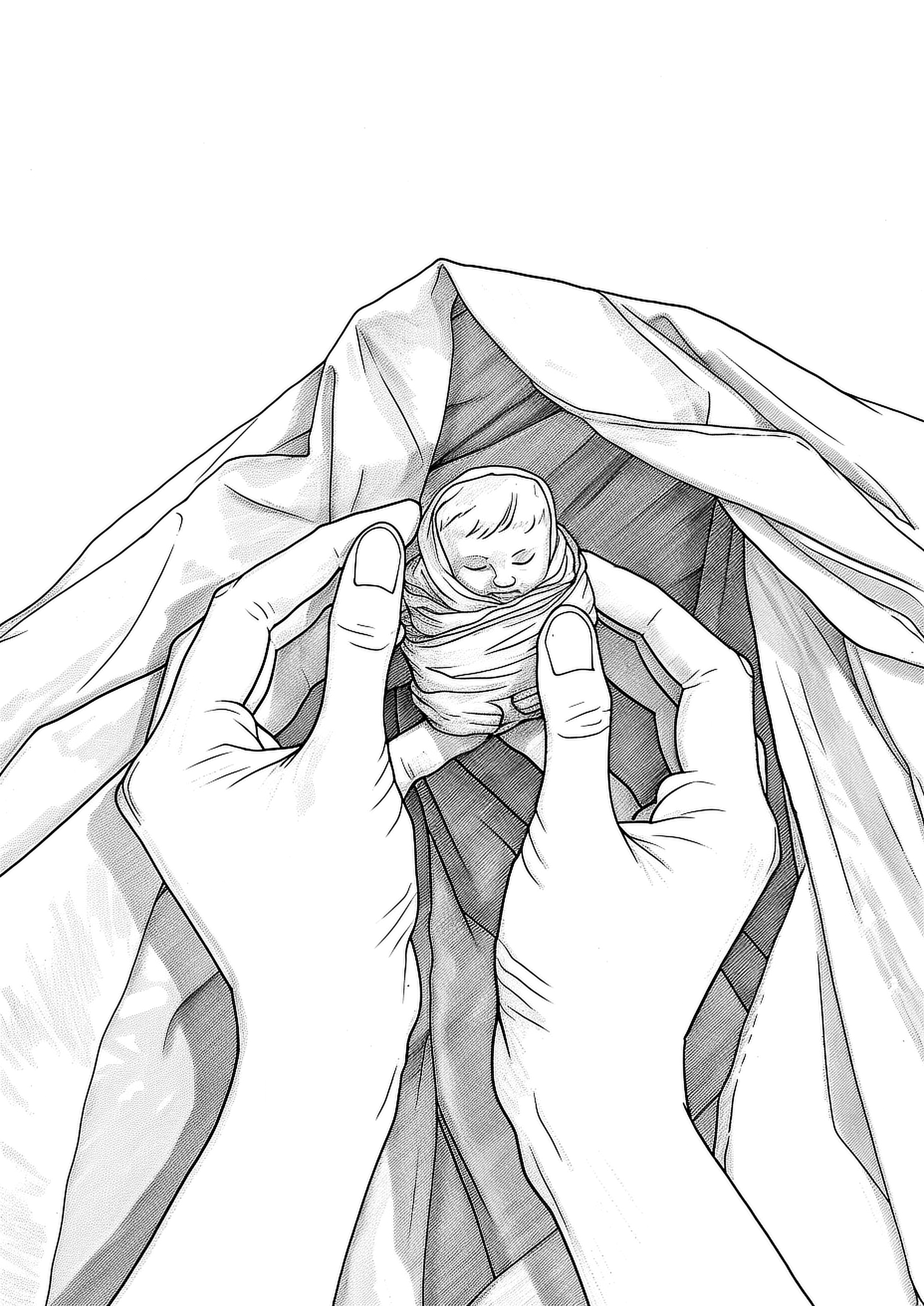
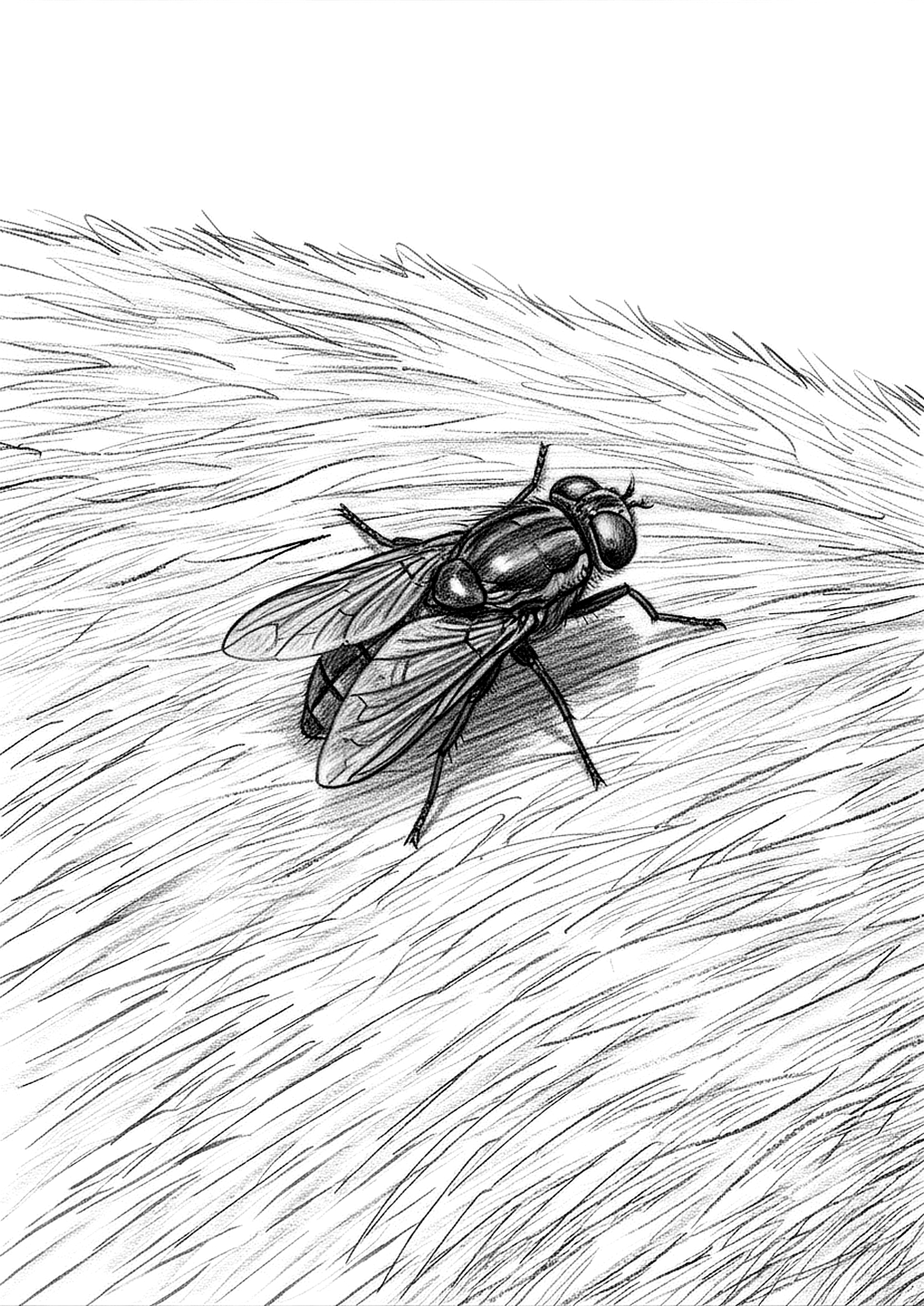
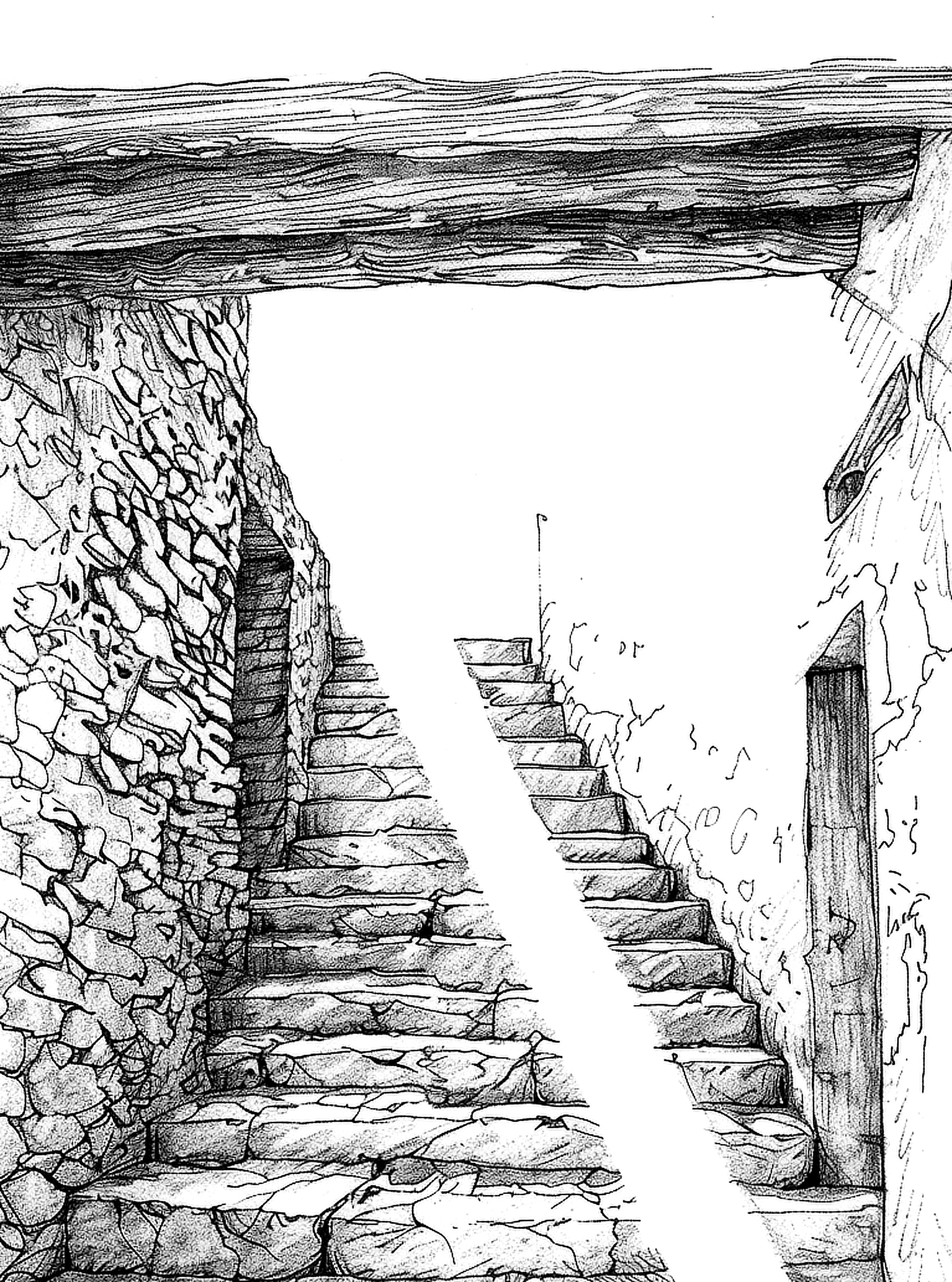

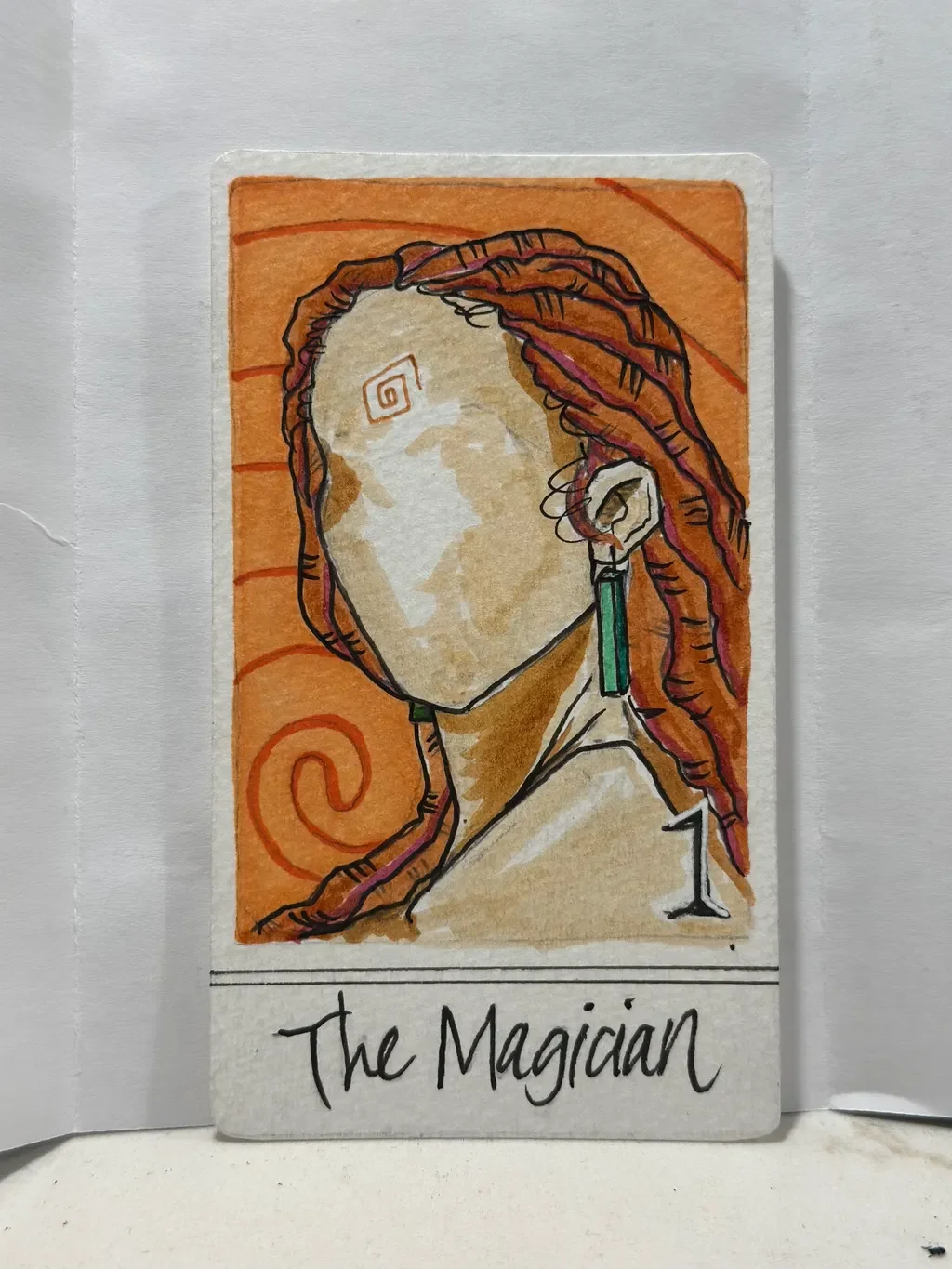
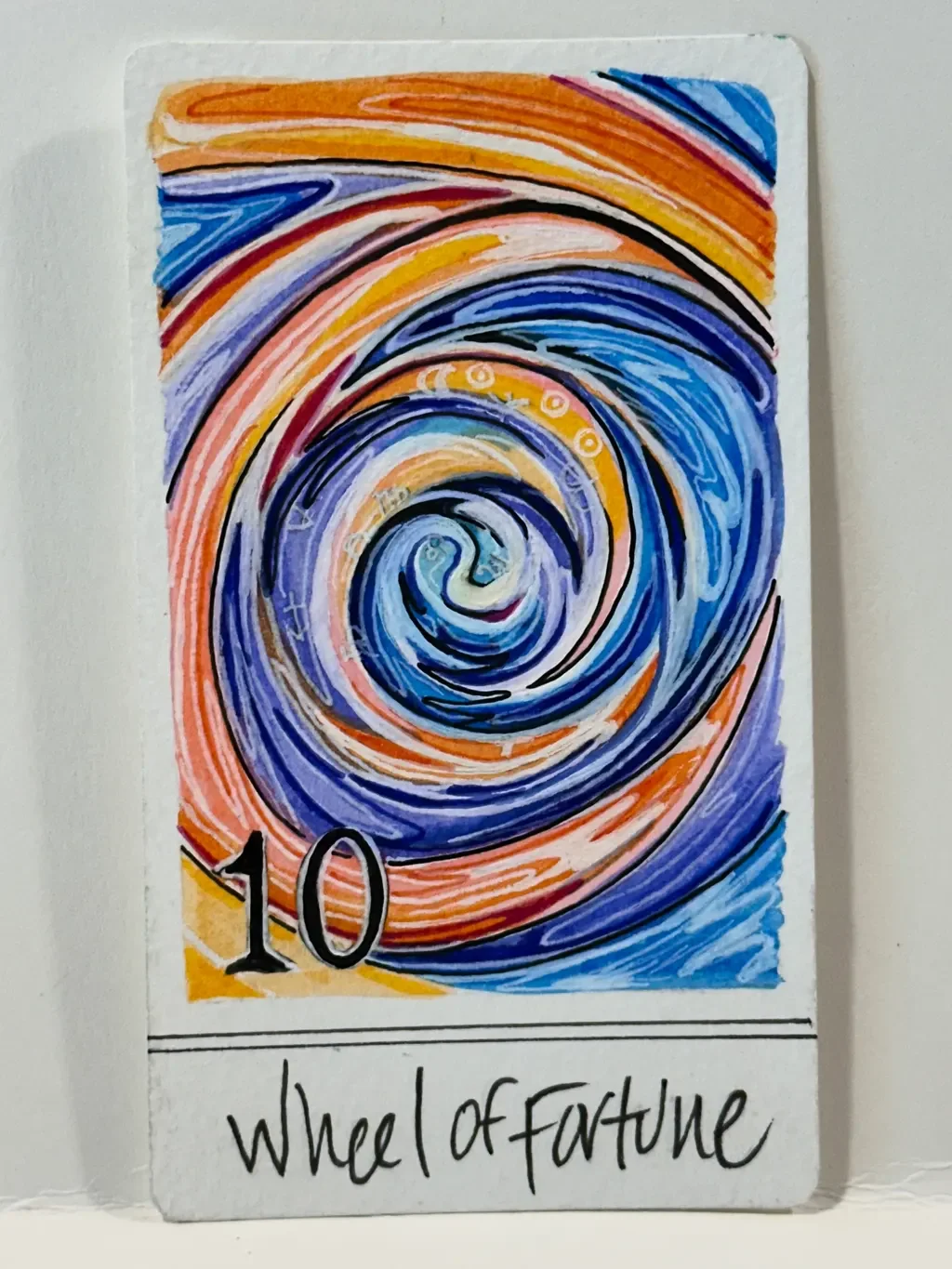
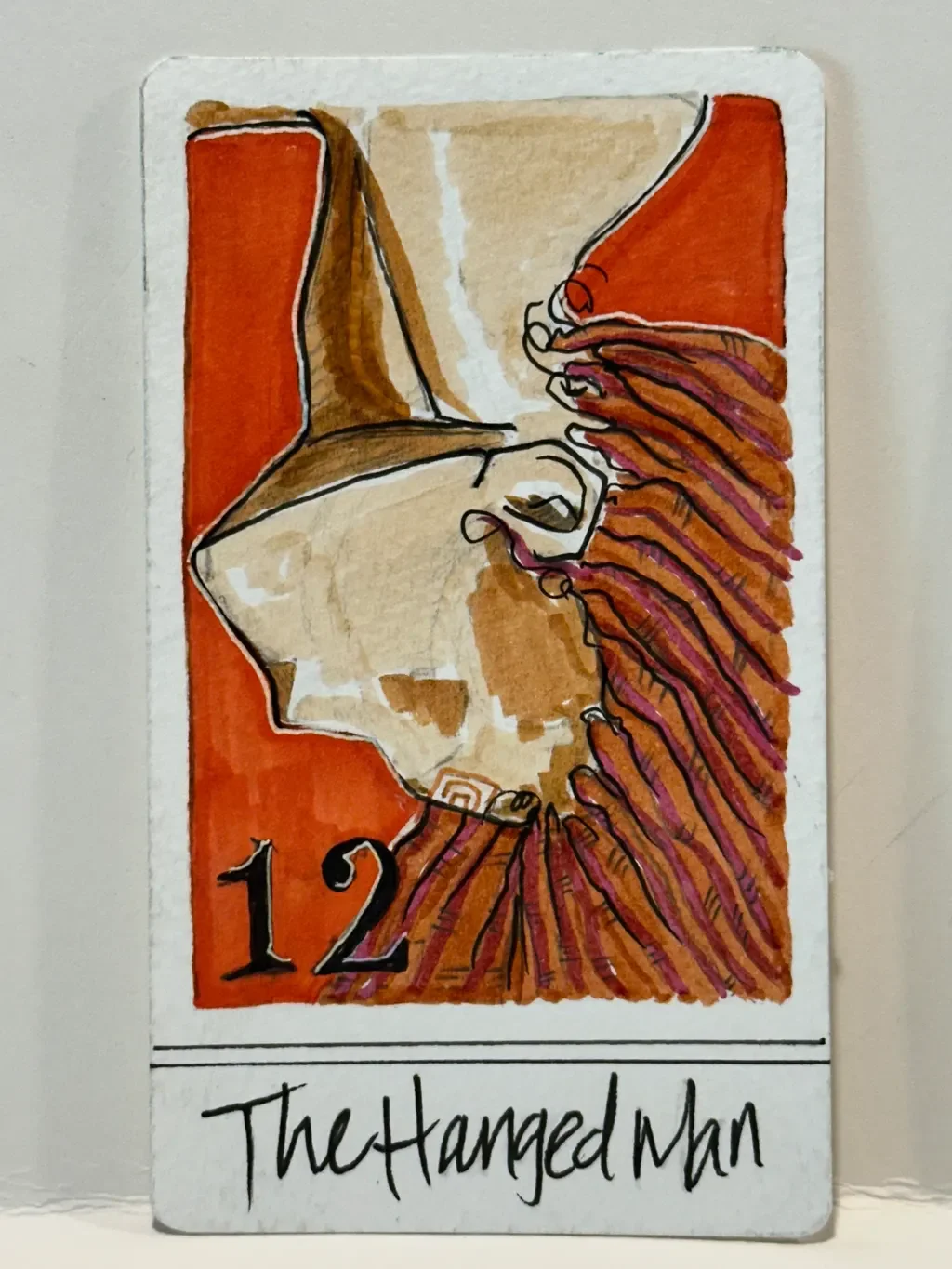
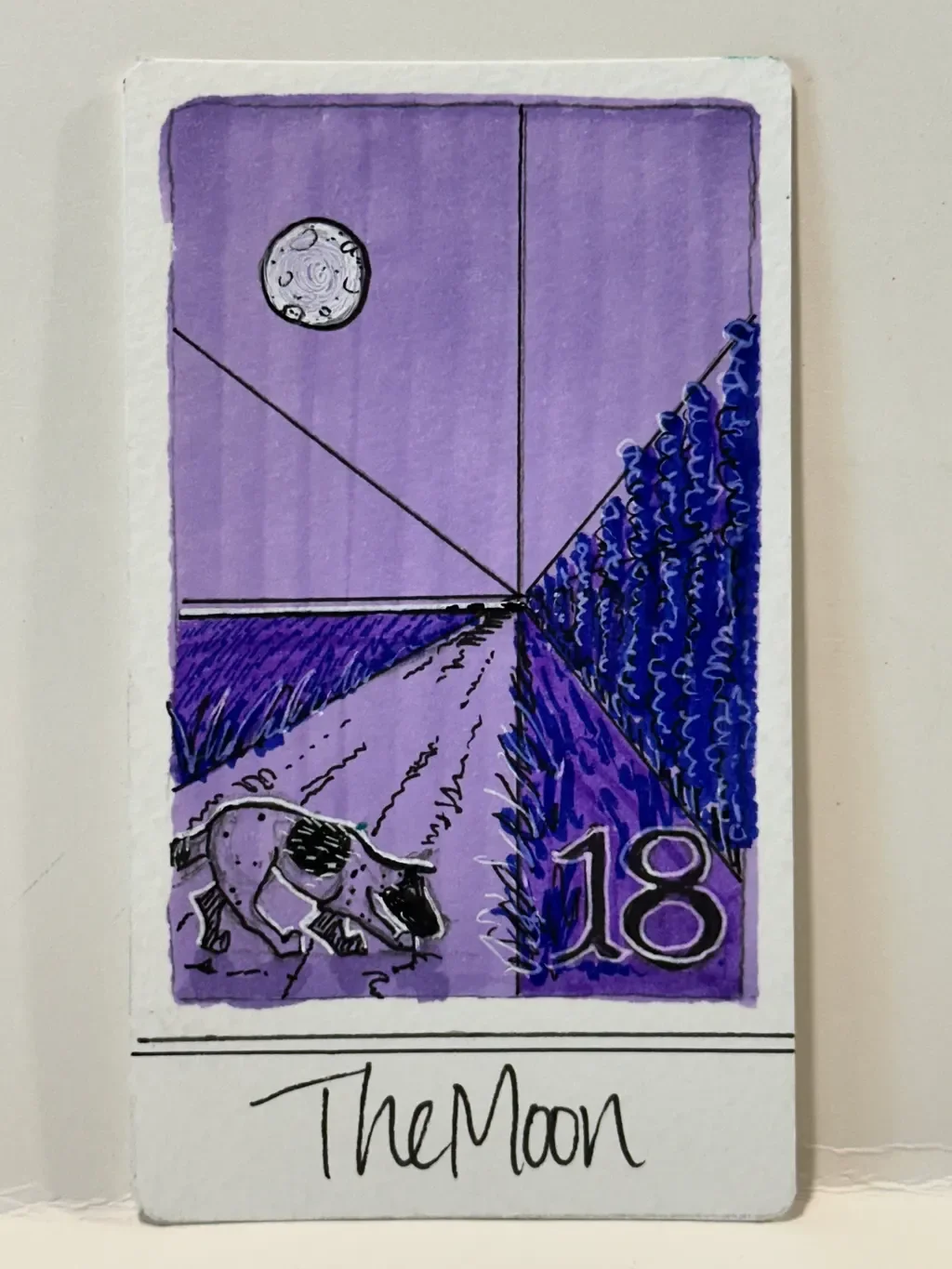
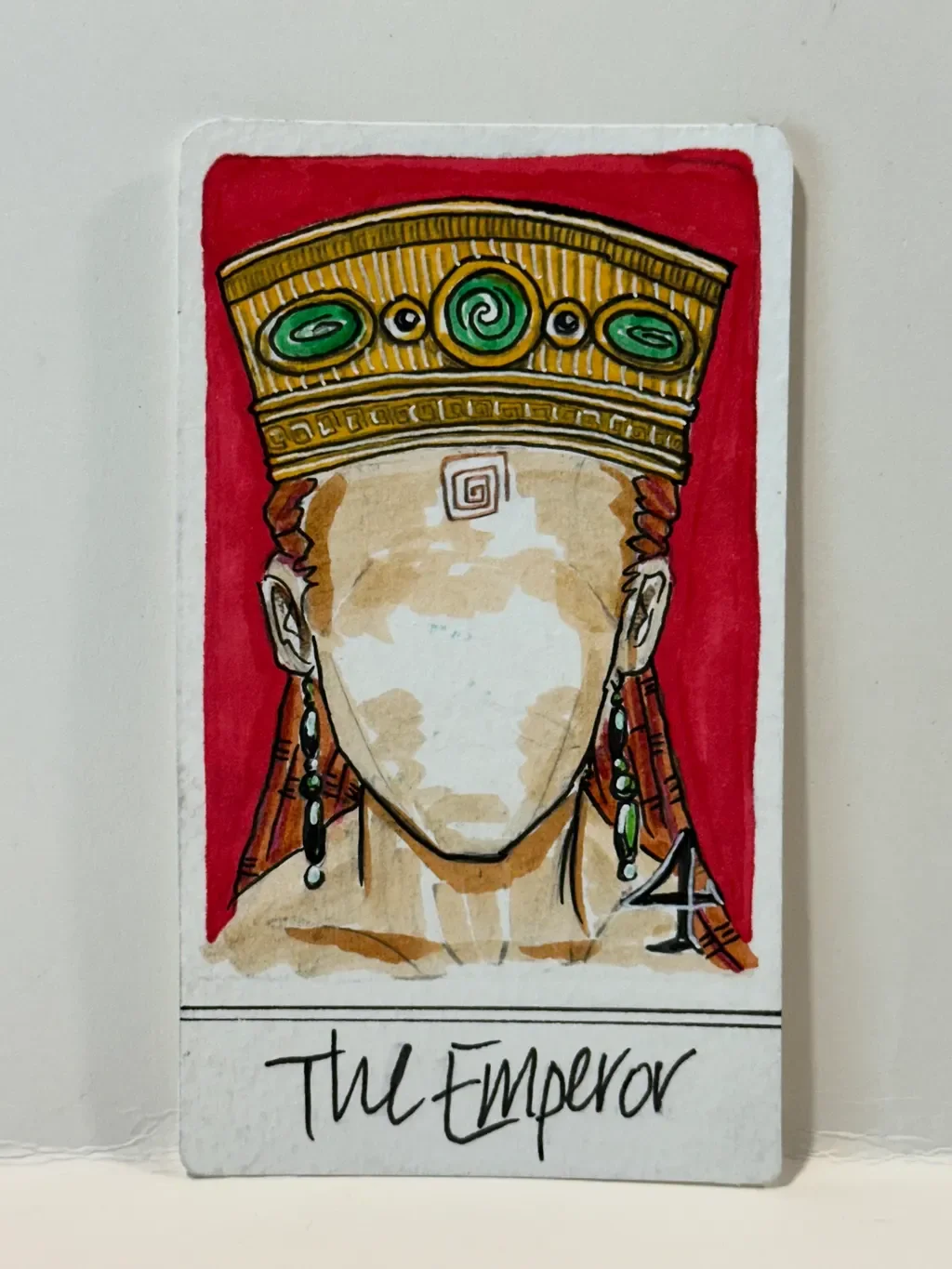
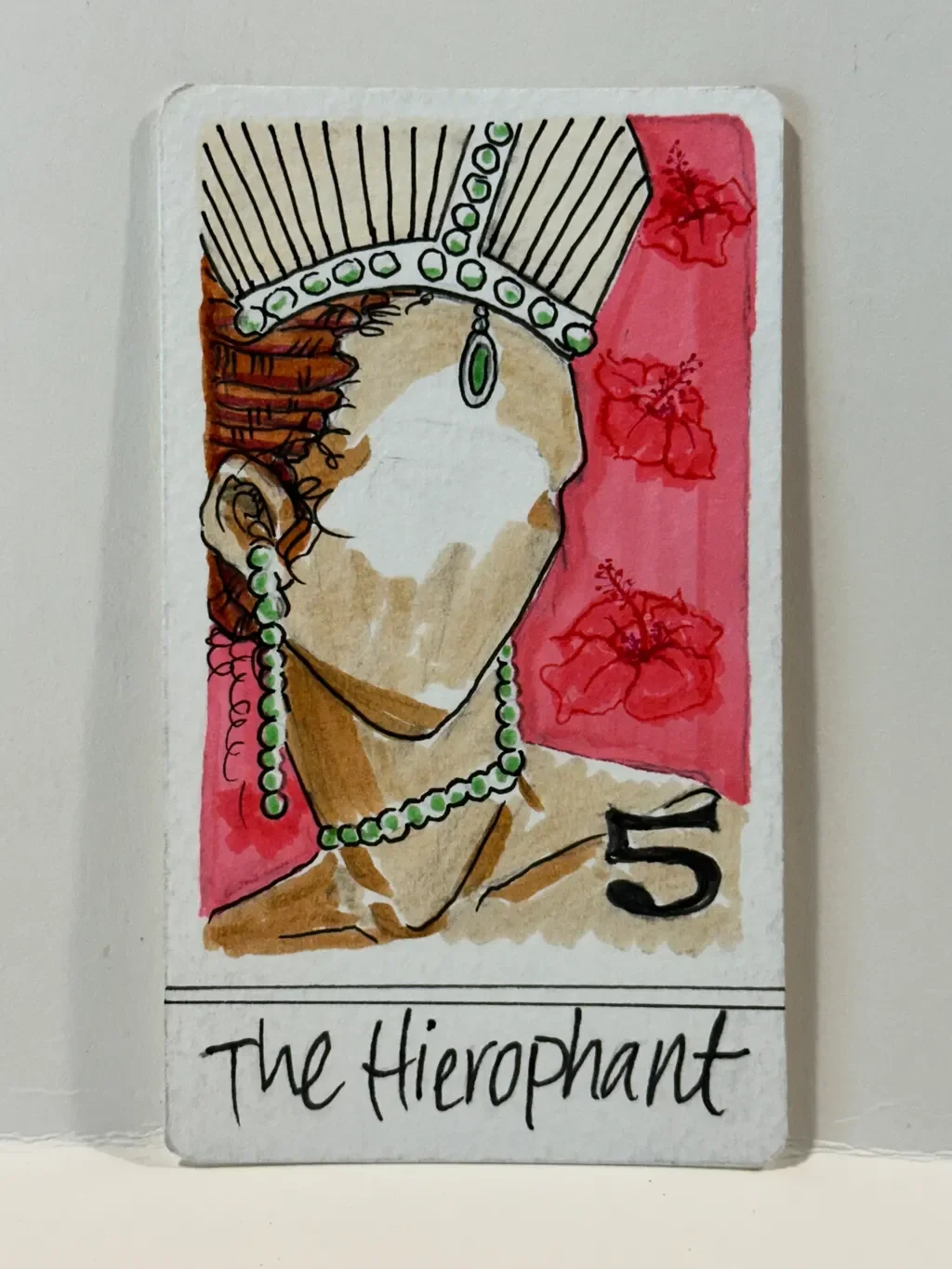
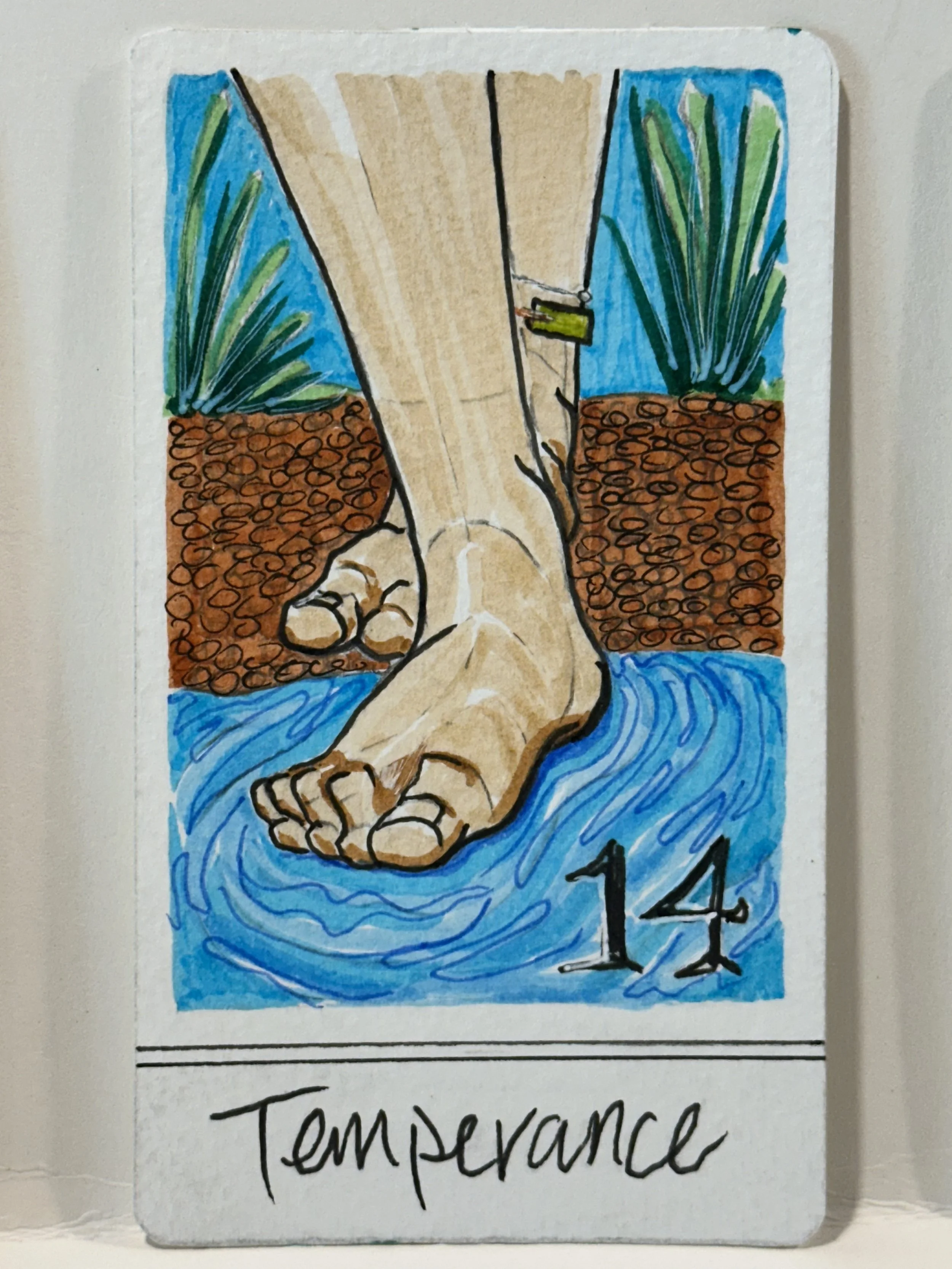
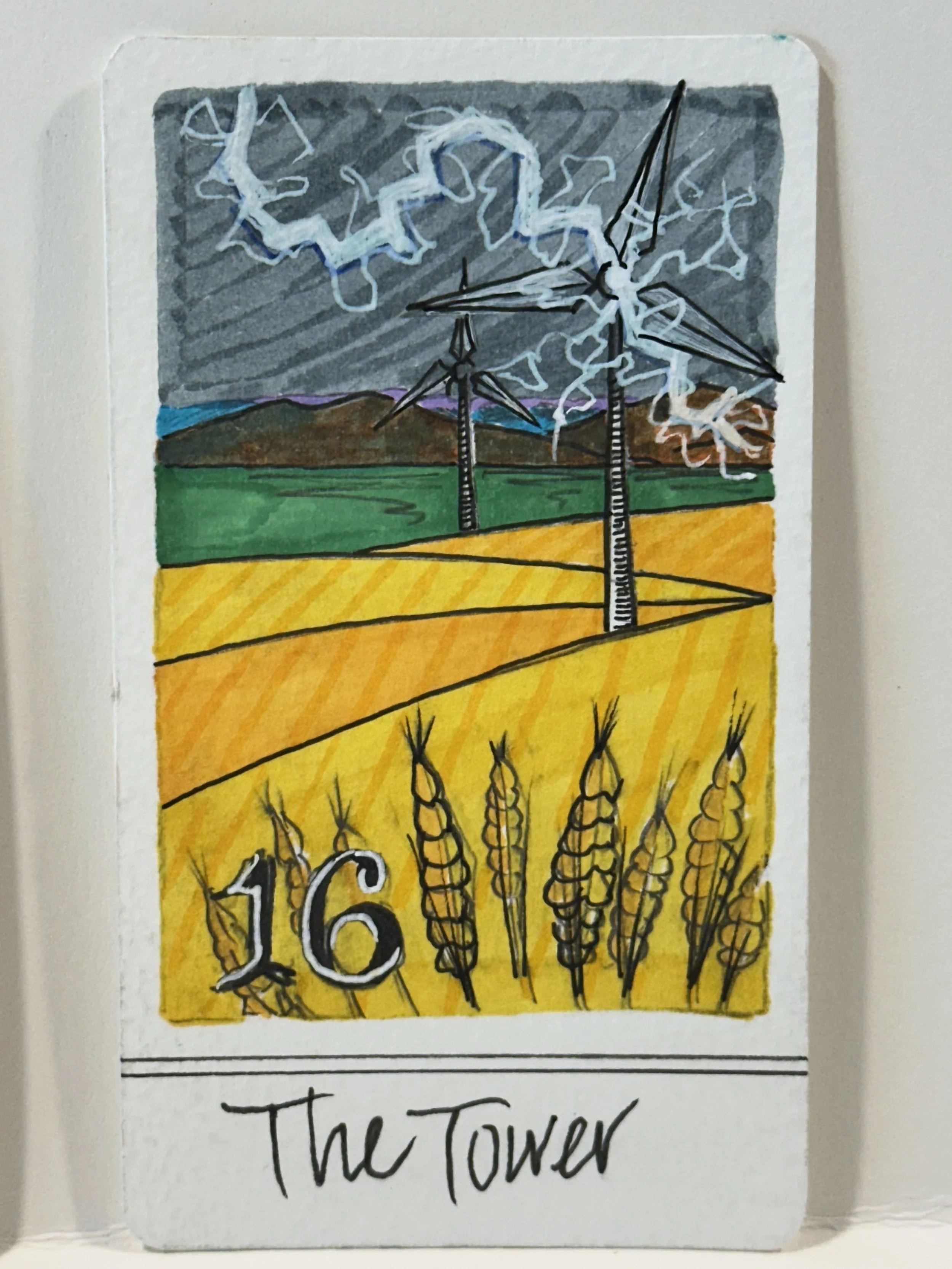
Drawing the querent.
One-by-one, beginning with the major life events, I drew what that meant to me, captured on a card. Next, the minor events, the everyday things we feel: boredom, flow, focus, learning, balance, restraint, indulgence. Forty associative feelings––that’s a lot to ponder, and draw.
Now, the court cards are in-progress. Then we will have it—a full deck.
One of the studio’s core explorations is the orchestration of a full tarot deck—a 78-card visual language rooted in archetypal meaning, designed to support reflection, interpretation, and personal insight.
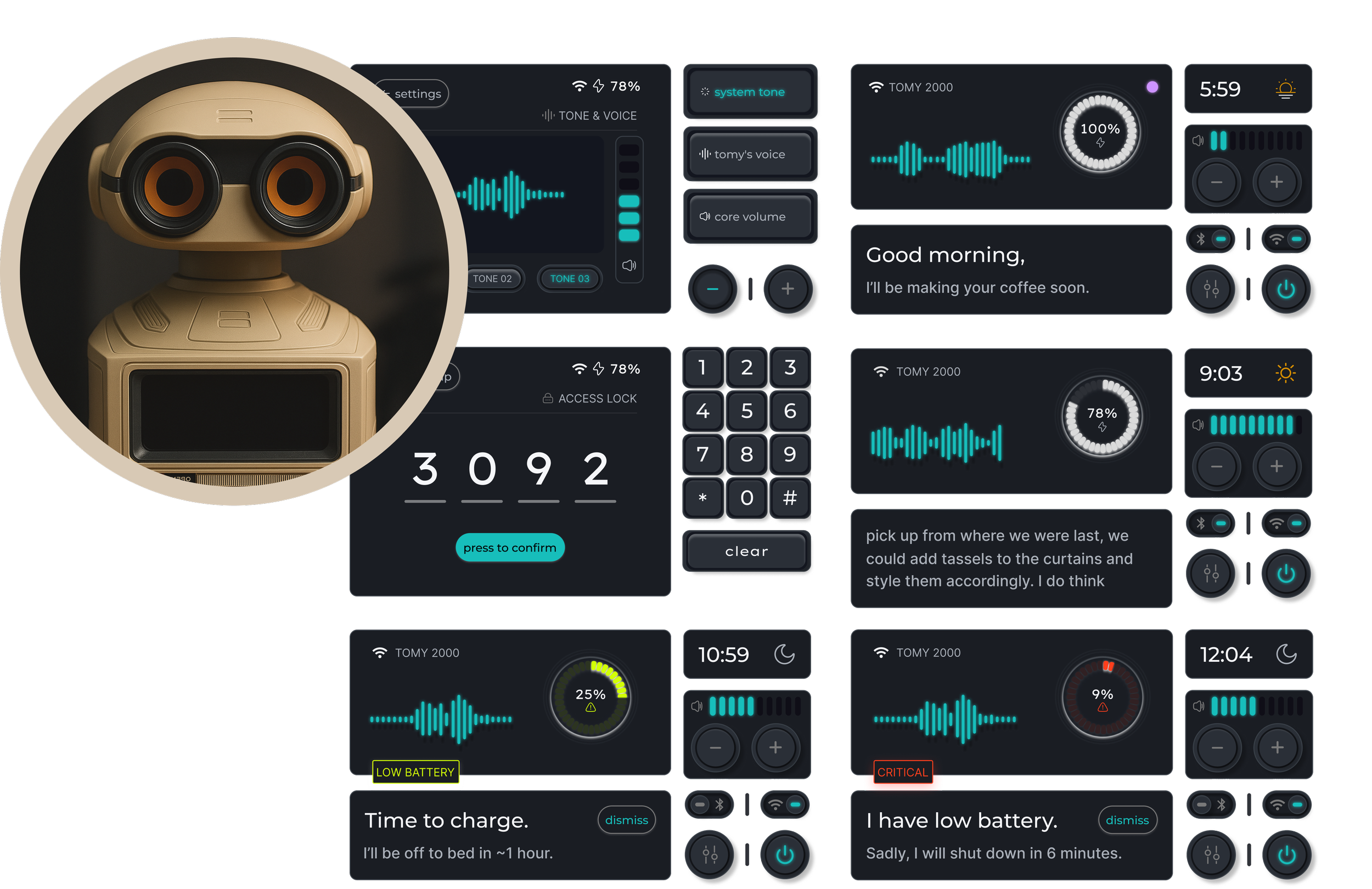
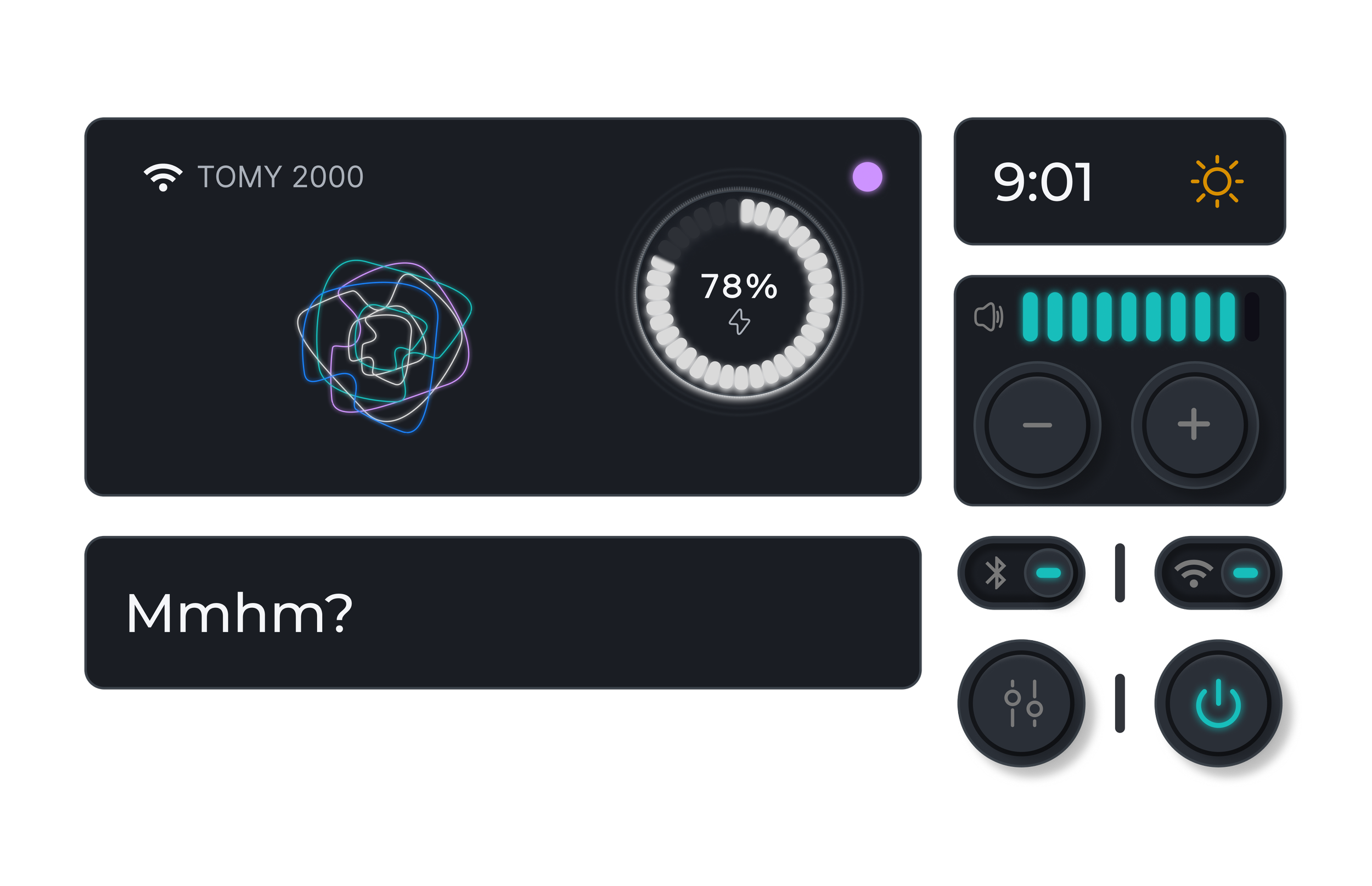
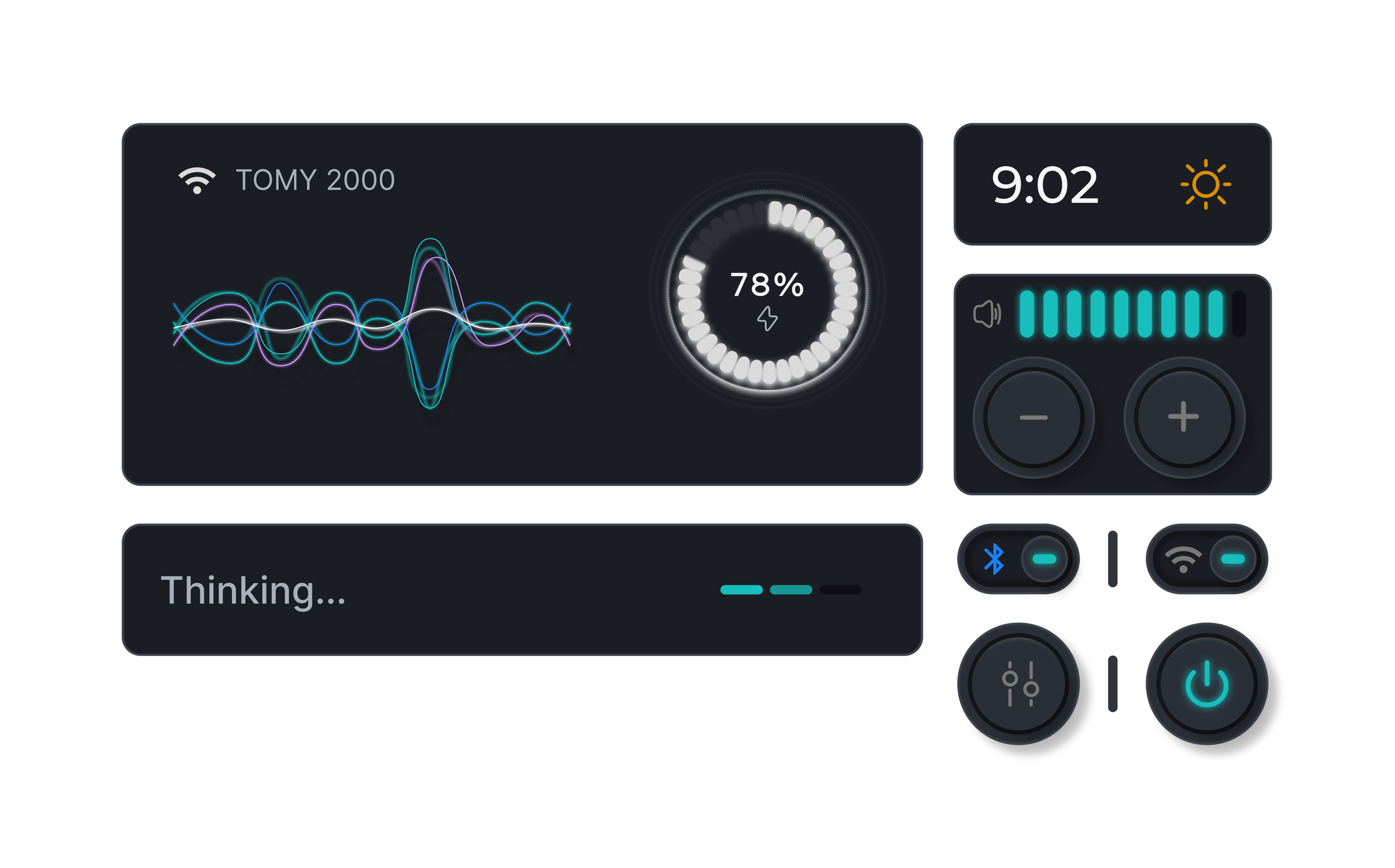
The Tomy Project is a modern reinvention of the classic 1980s Omnibot 2000—restored, rebuilt, and reimagined with modern technology.
Through Proctor House Studio, I’m developing this project as a hands-on exploration of robotics, embedded systems, and interaction design, blending 3D modeling, hardware integration, and narrative thinking.
It’s an ongoing study at the intersection of past and future—transforming nostalgic hardware into interactive systems while building technical capability along the way.
Revamping a robot.
Drafting a world.
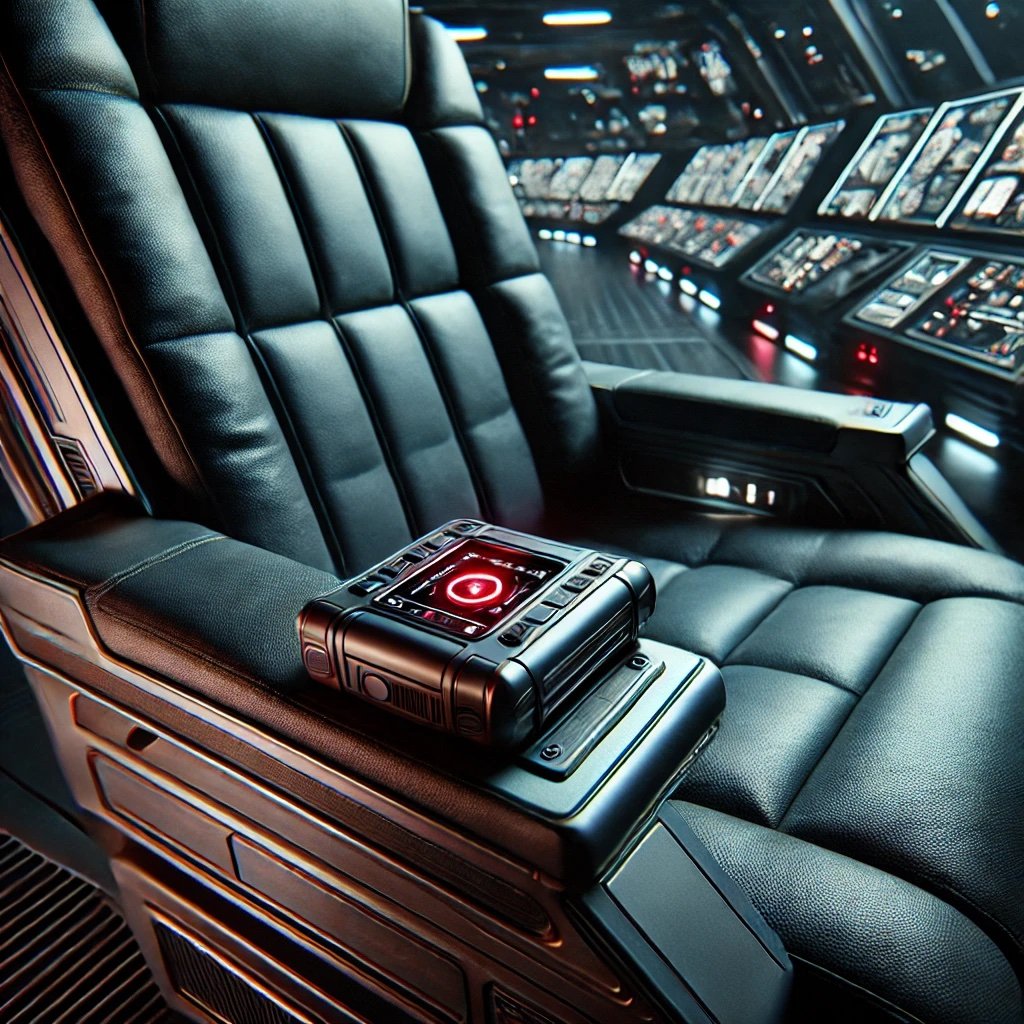
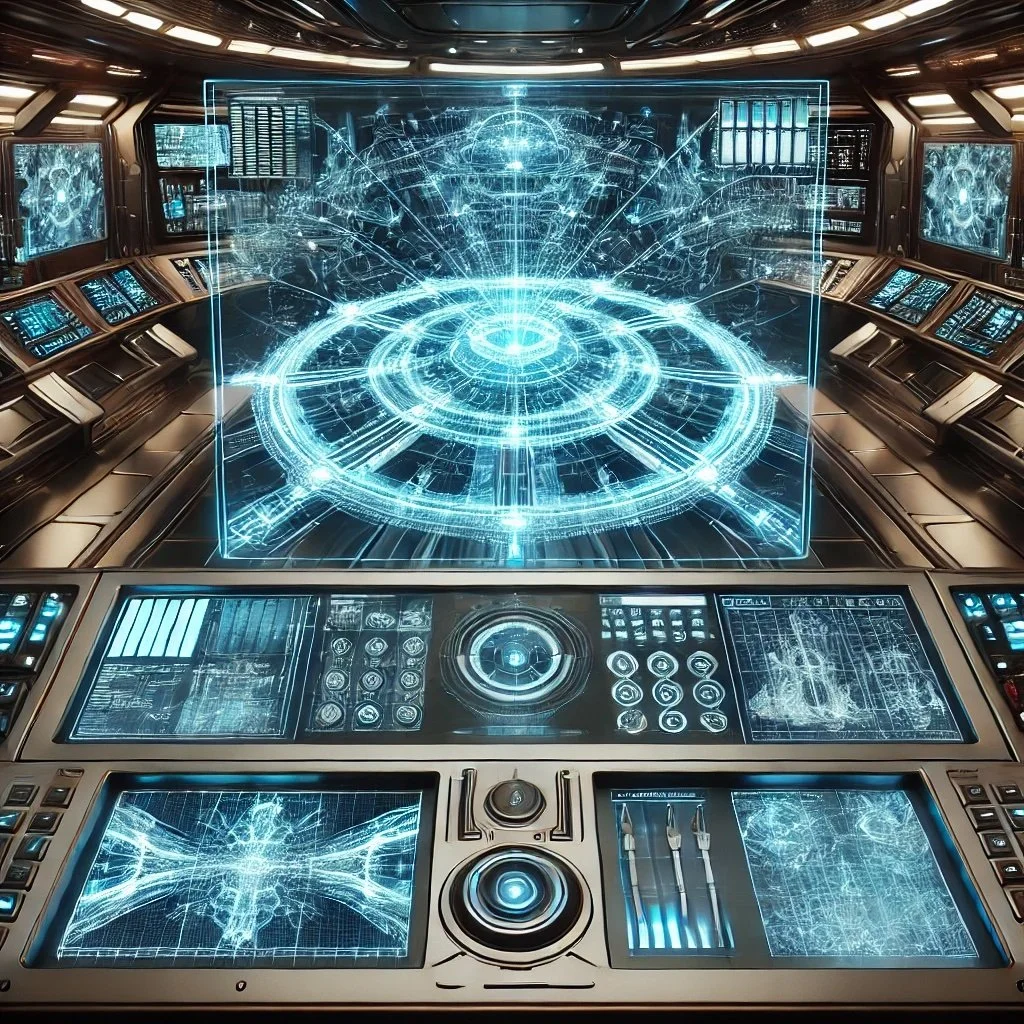
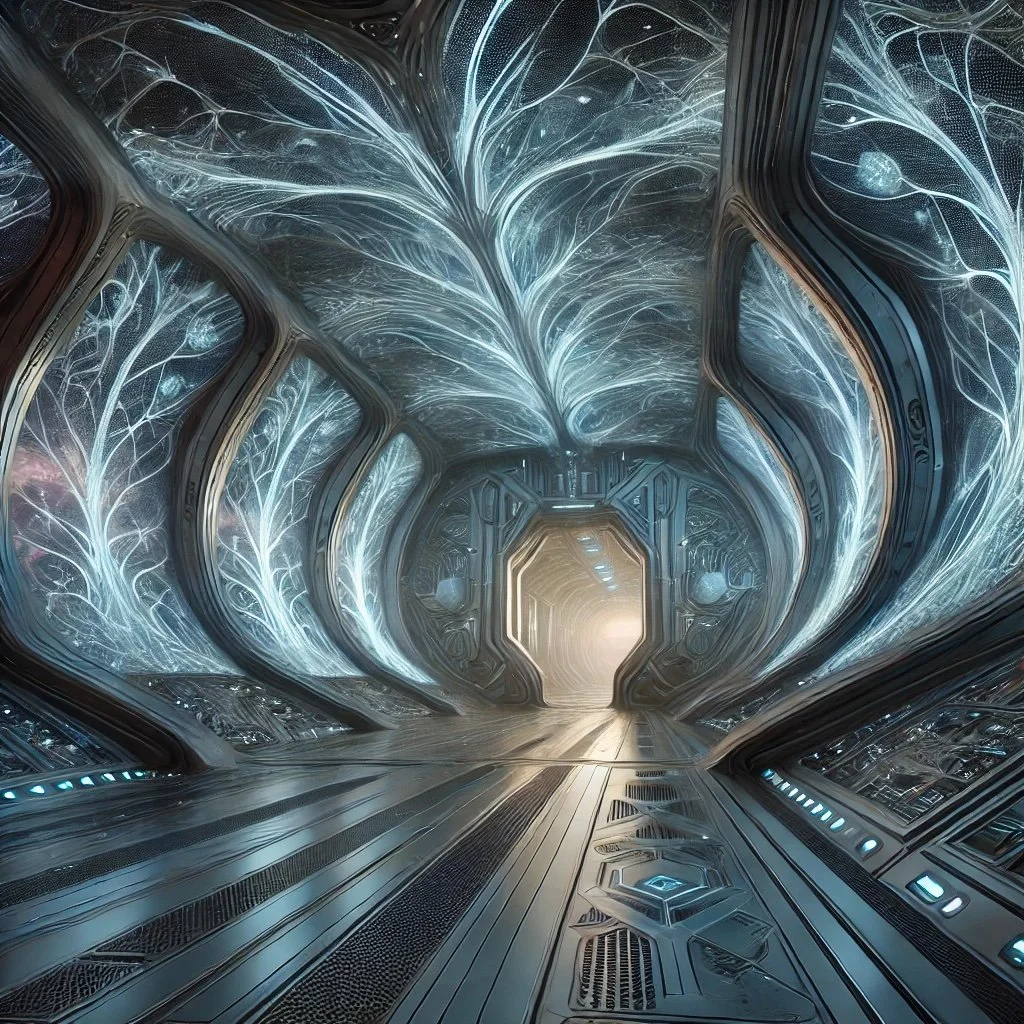
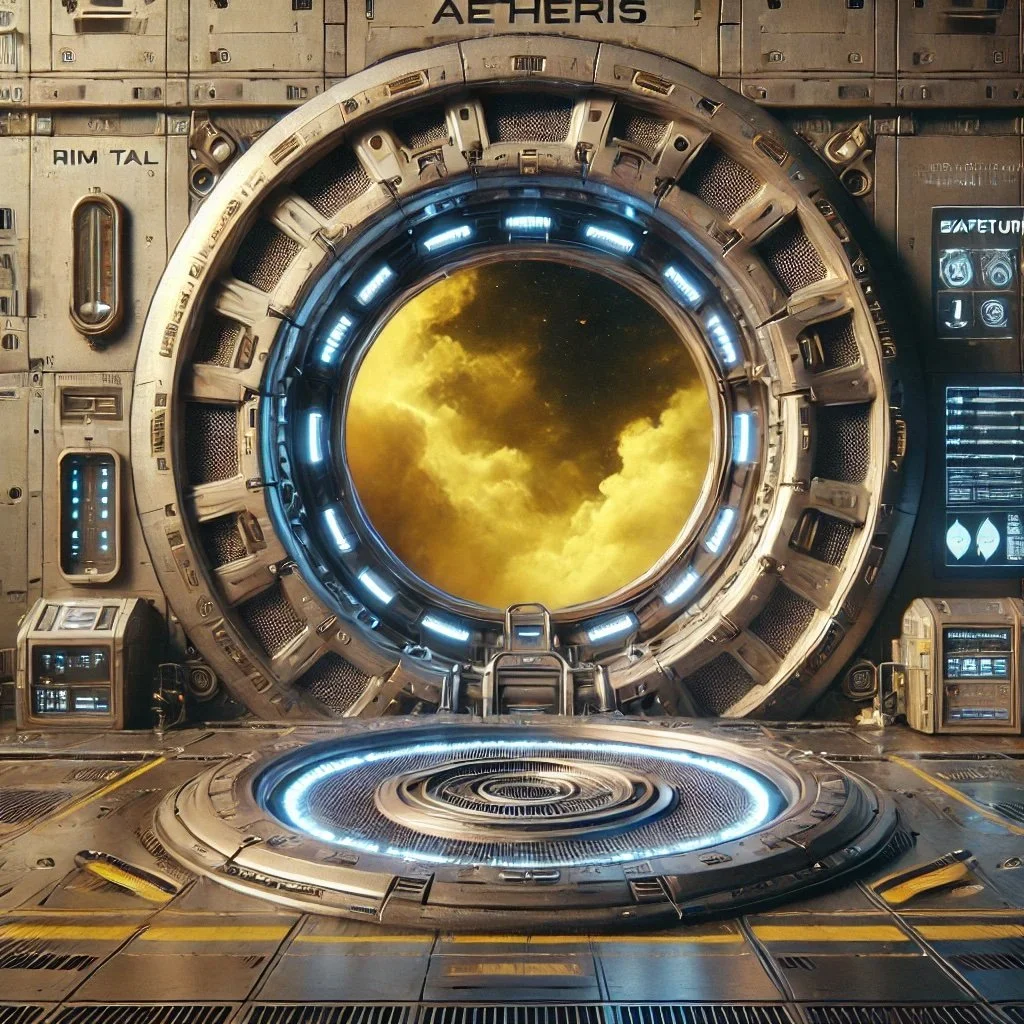
The origin of Lavegavon began not with epic ambition, but with humor—a small, comedic short story that evolved into a distant prologue for a universe set millennia in the future. That early idea became a creative hinge, unlocking expansive worlds, future civilizations, and mythic figures shaped by time, memory, and cosmic consequence.
Building this universe required more than imagination; it demanded temporal coherence, where every detail supports a timeline that feels both vast and lived-in. Our process bridges narrative and science, beginning with a simple question—how does humanity get there?