Creating the world of Lavegavon
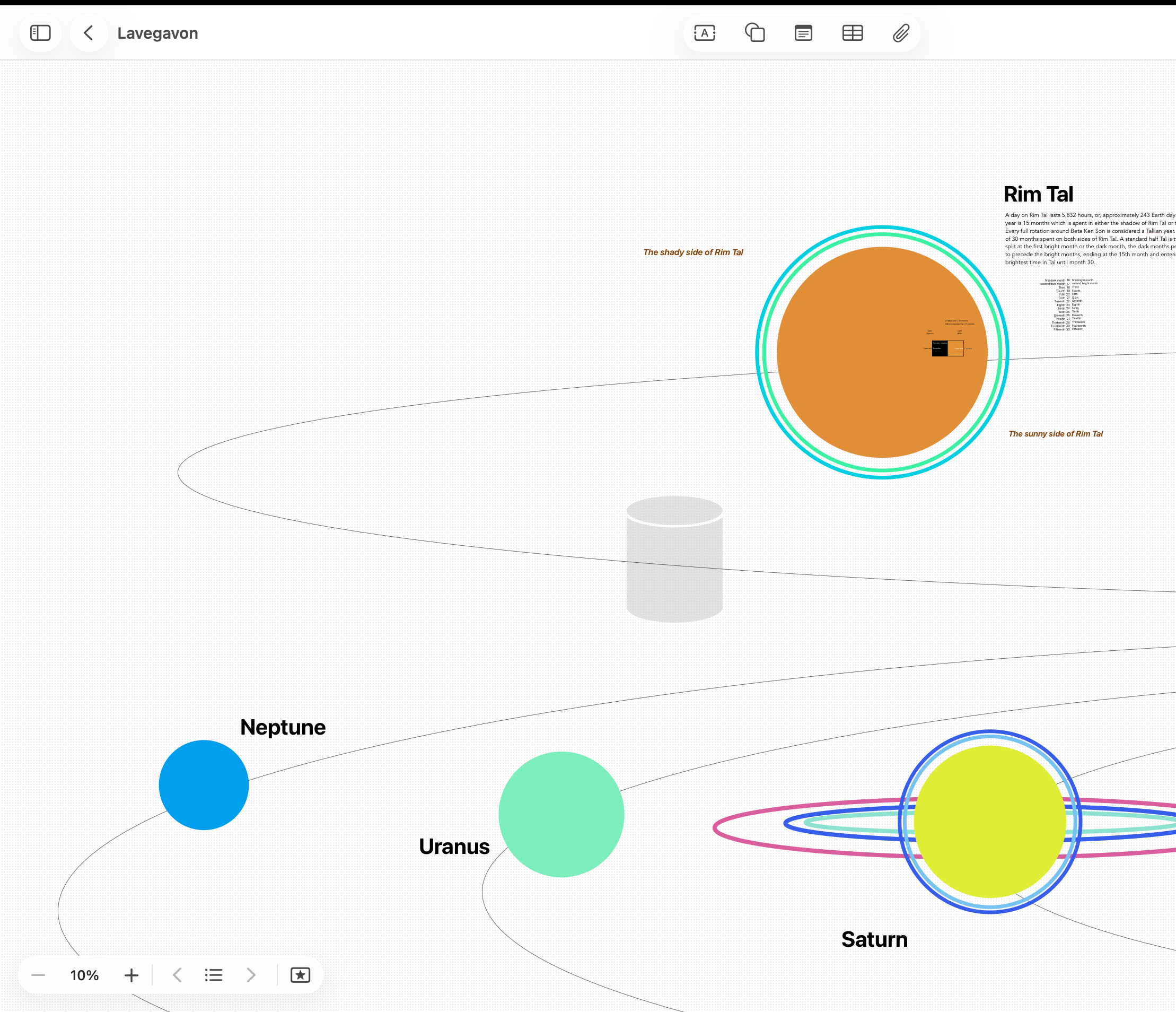
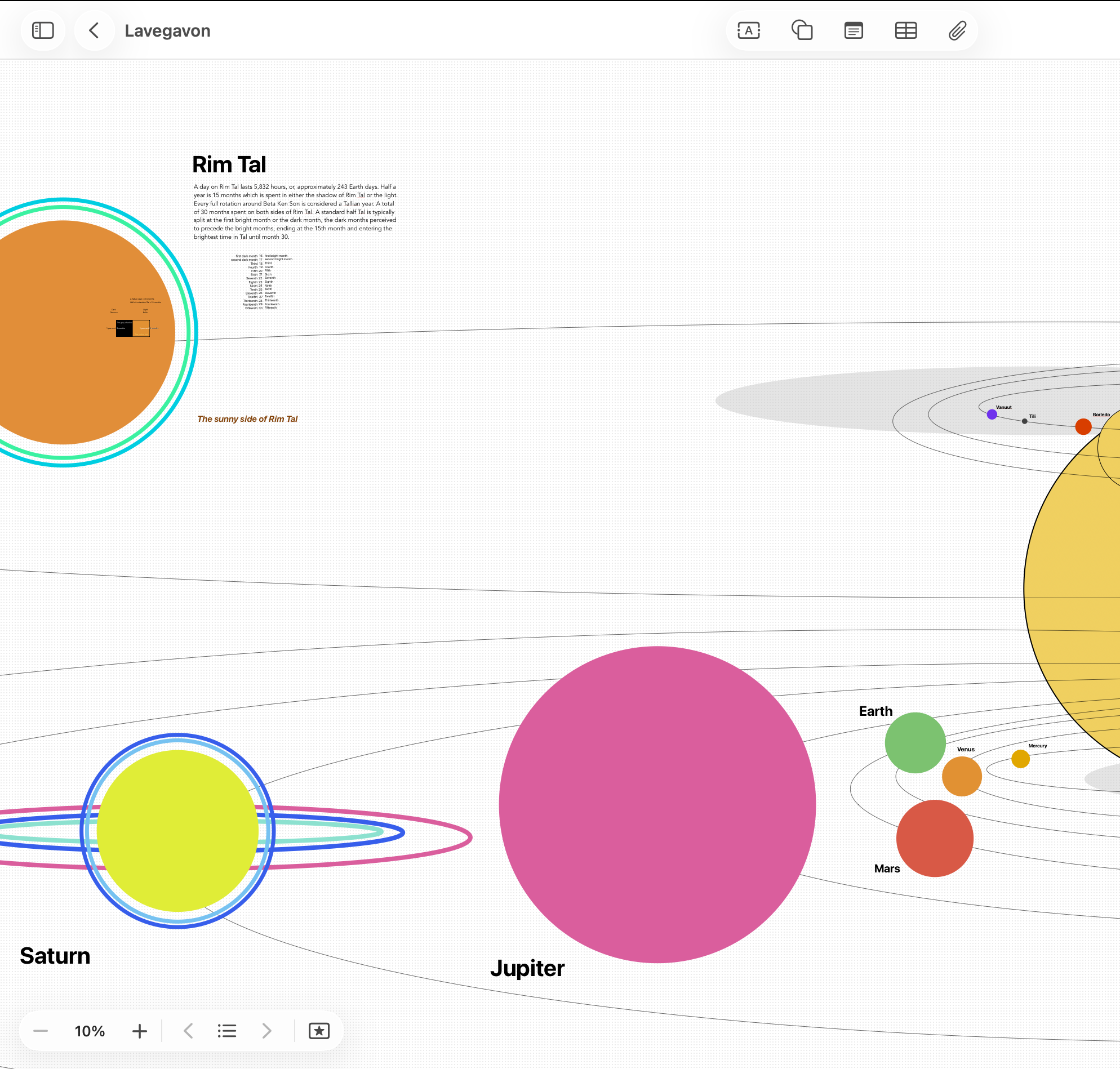
The setting of Lavegavon unfolds in a parallel universe—but before that reality could be figured out, the foundational question had to be asked:
How did humanity get there?
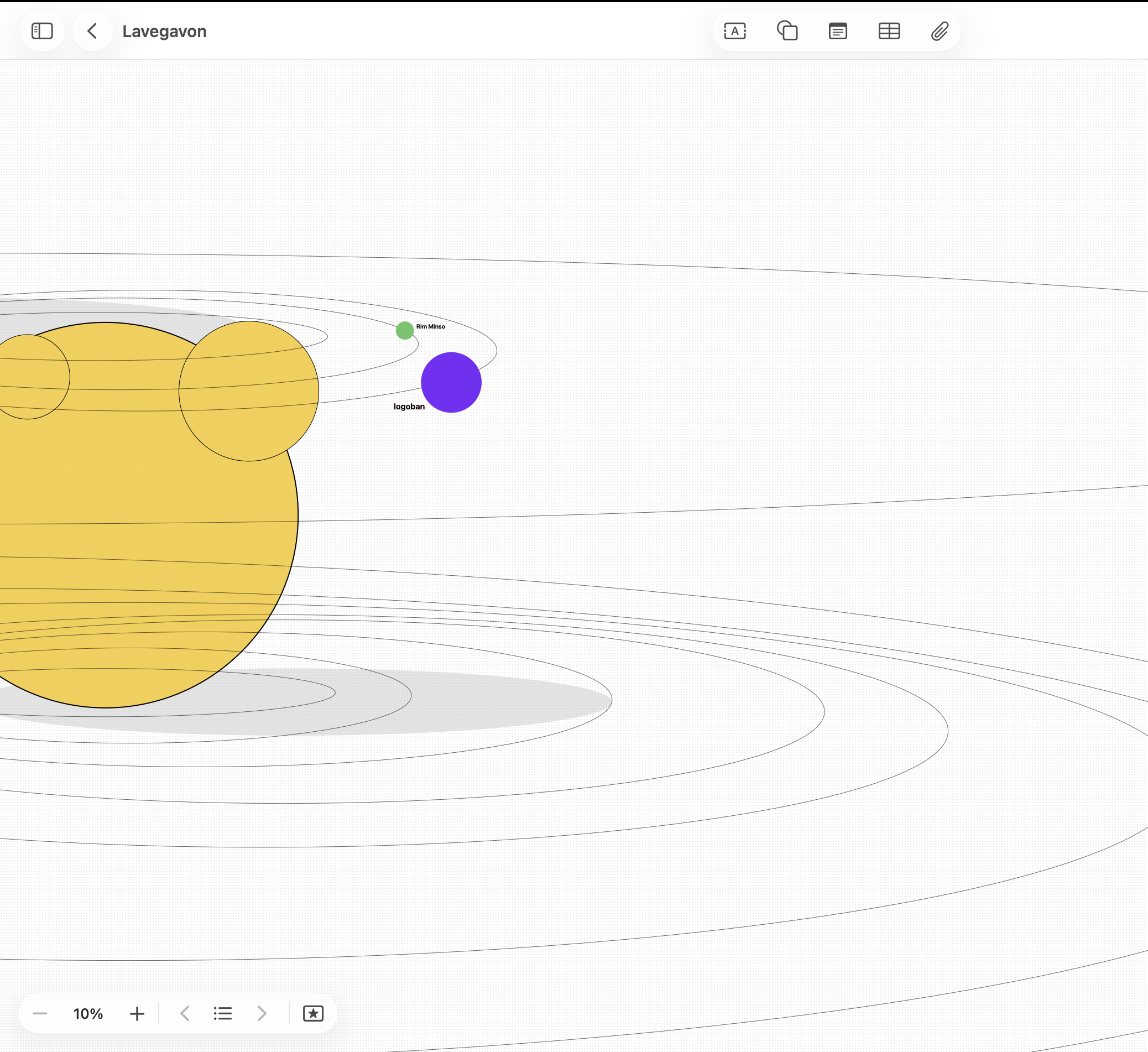
My world-building process began with astrophysical plausibility. I mapped how humans might discover and access this alternate system, then modeled the planetary scales, mass relationships, and gravitational dynamics necessary to support interstellar exploration and colonization.
The Universe Itself
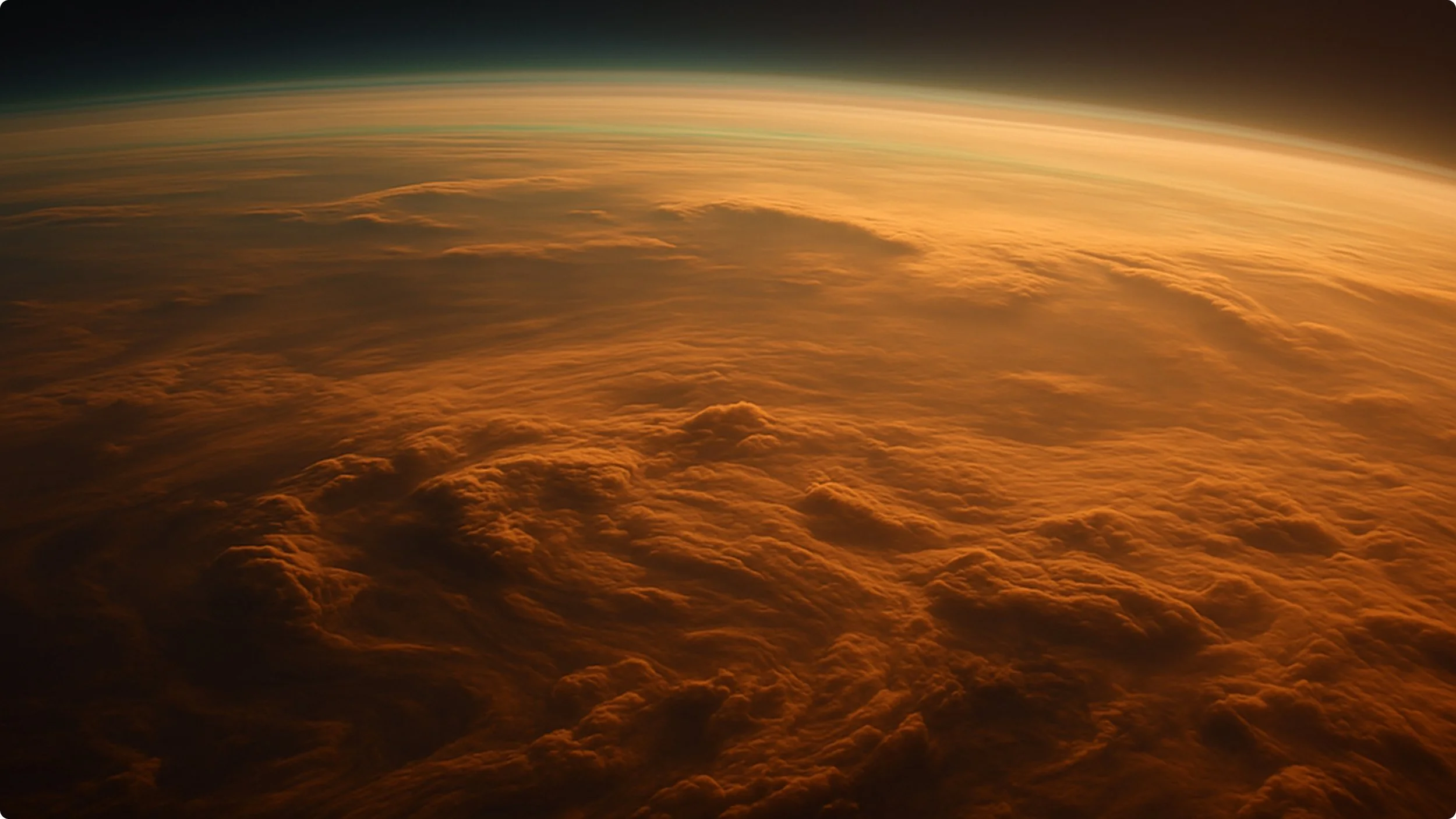
To ground these fictional worlds in scientific integrity, I studied planetary geology—particularly research on Venus. Its atmospheric volatility, tectonic features, and chemical compositions became key reference points, informing both the environmental challenges of settlement and the psychological tone of the novel’s alien landscapes.
Aetheris UI
In Development
Aetheris is a speculative modular design system crafted for interfaces aboard the Aetheris—a deep-space research vessel navigating the volatile skies of Rim Tau in the year 3011. Its components translate complex telemetry, anomalies, evidence, and system activity into a shared visual language—helping crew members move from awareness to investigation without losing context.
This system is both a storytelling tool and a UI framework. It adapts across light and dark modes, human and AI interfaces, and the many emotional and informational states of the crew. Whether rendering log entries, managing propulsion, or issuing critical warnings, the Aetheris Design System ensures every pixel is a reflection of the vessel’s mission: to survive, to learn, and to respond in balance with the unknown.
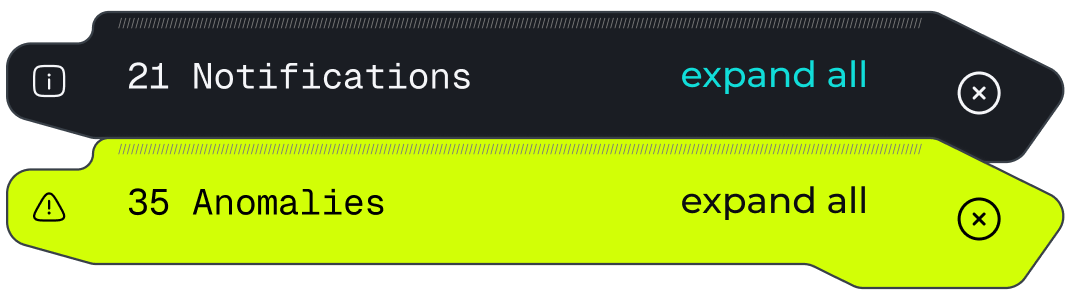
Notifications vs Anomalies
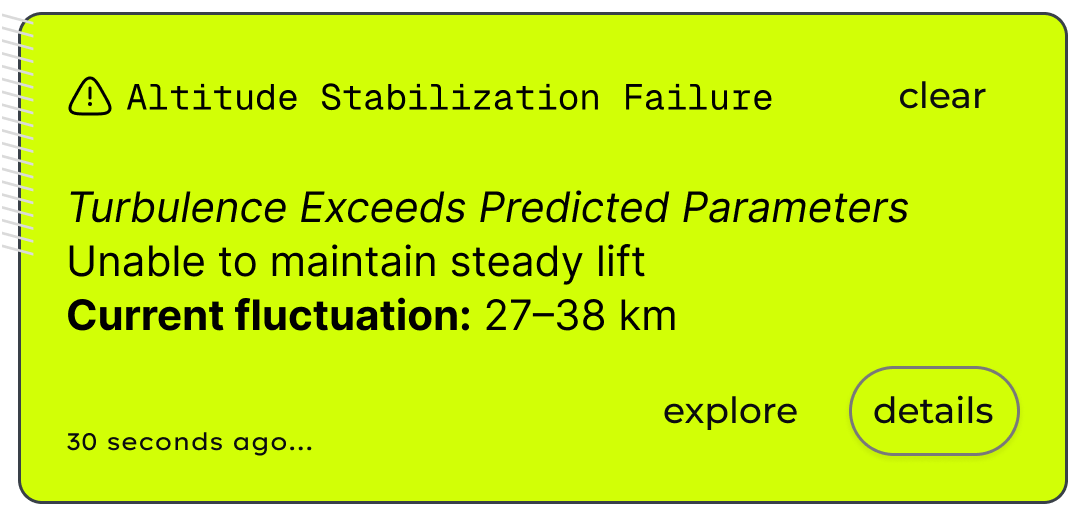
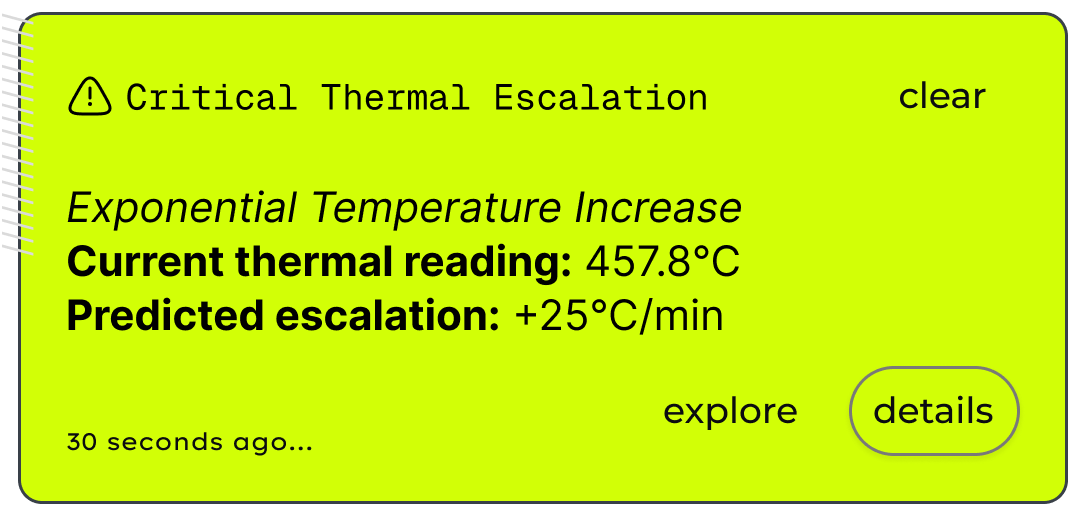
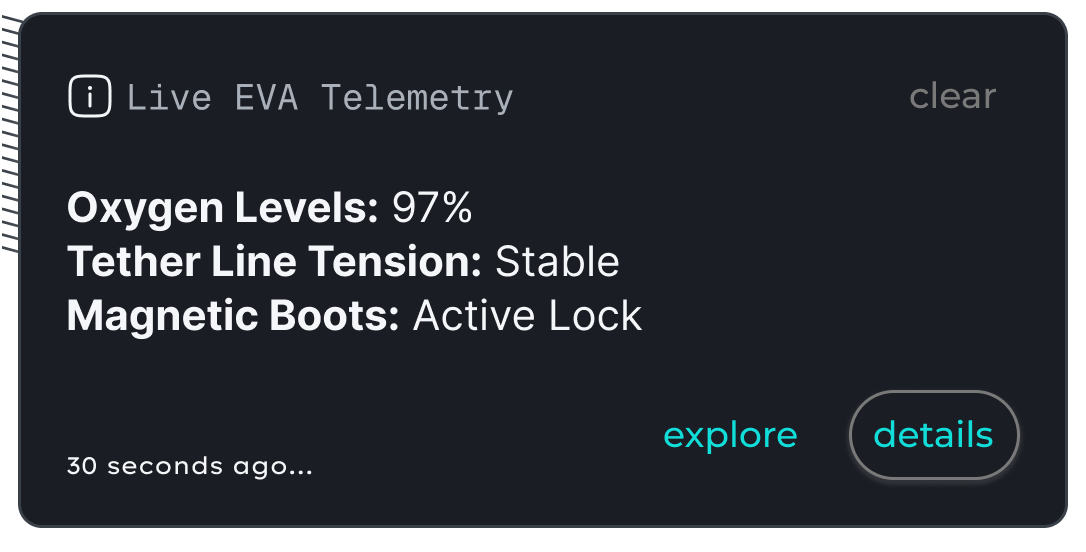
Aetheris distinguishes routine notifications from anomalies through a clear visual hierarchy, allowing crew members to assess system activity at a glance. Notifications provide contextual updates without demanding attention, while high-visibility anomaly states surface conditions that may require immediate investigation, with pathways to explore the event or inspect its underlying details.
Observe Mode
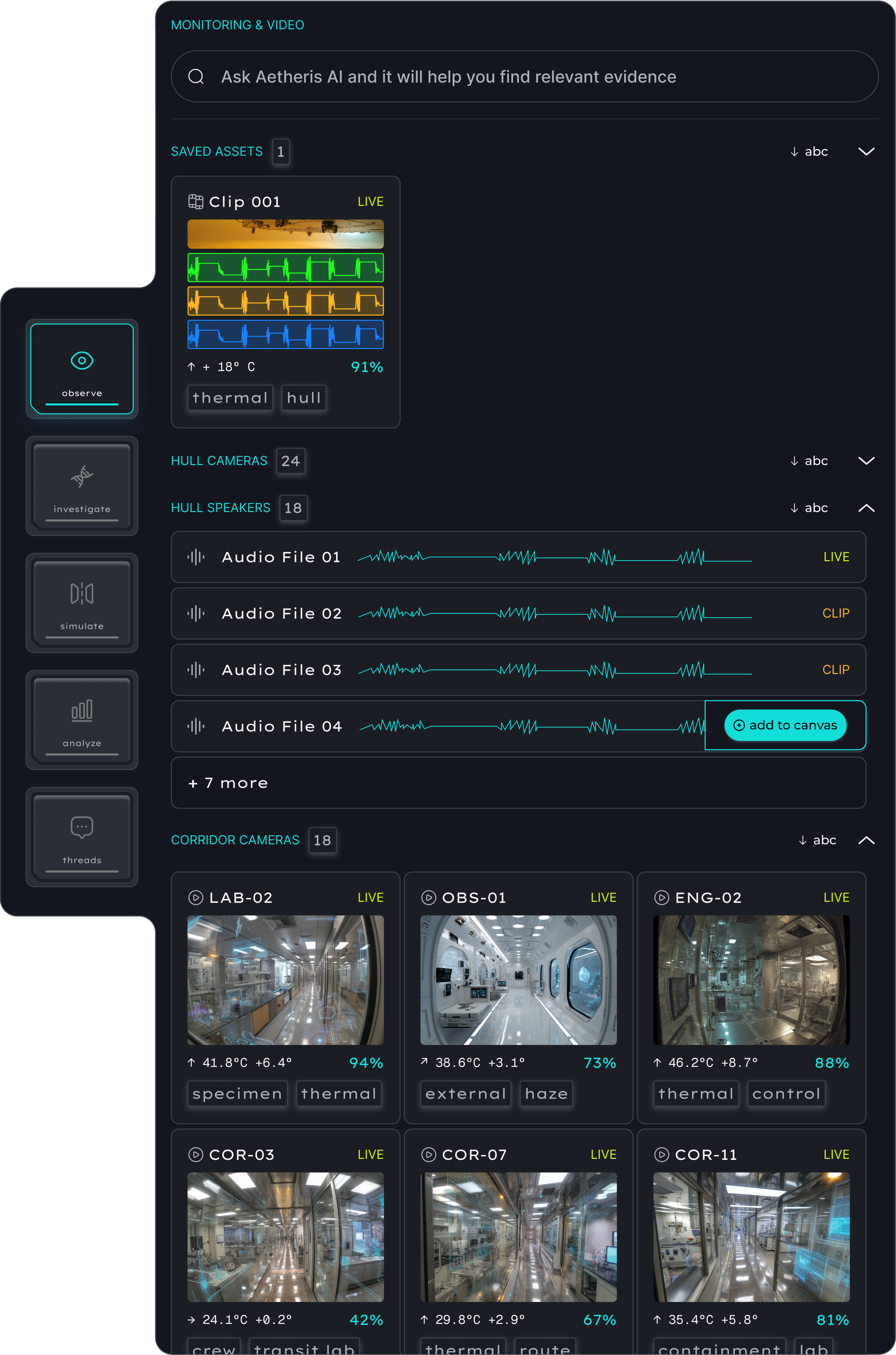
Observe is Aetheris’s real-time perception layer. It brings the ship’s distributed cameras, environmental sensors, audio feeds, and crew activity into a shared workspace where users can examine what is happening across the vessel and its surrounding environment.
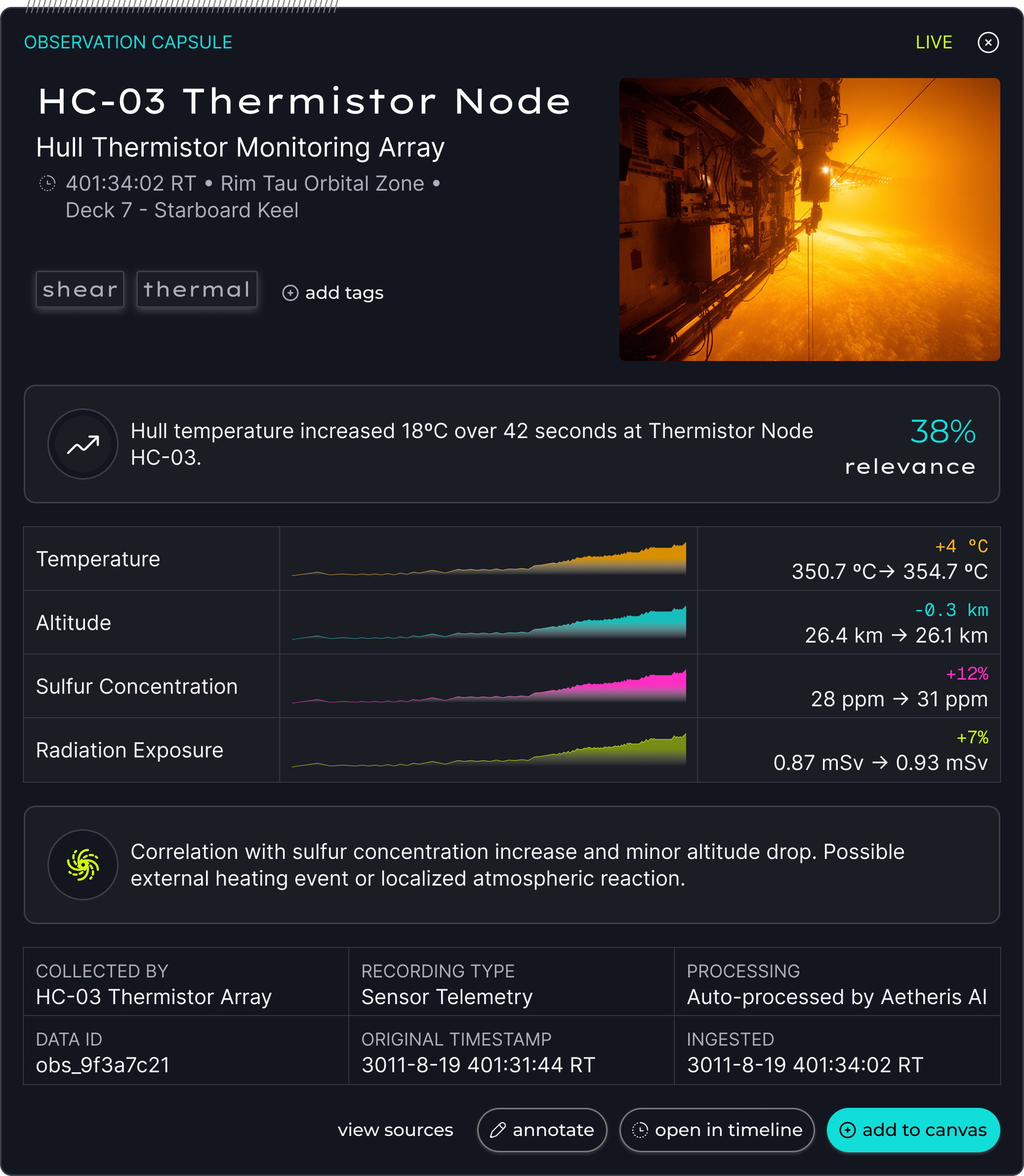
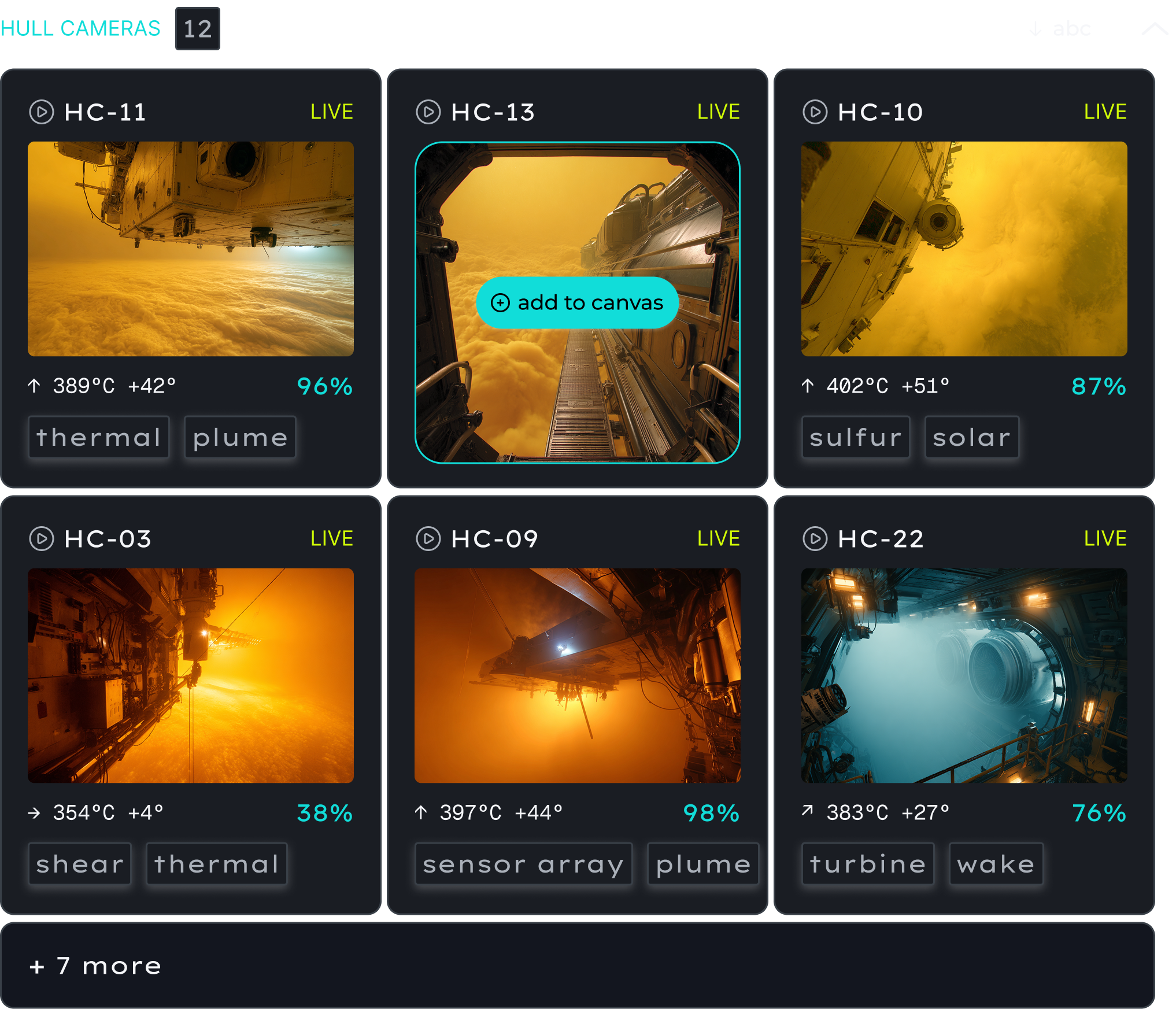
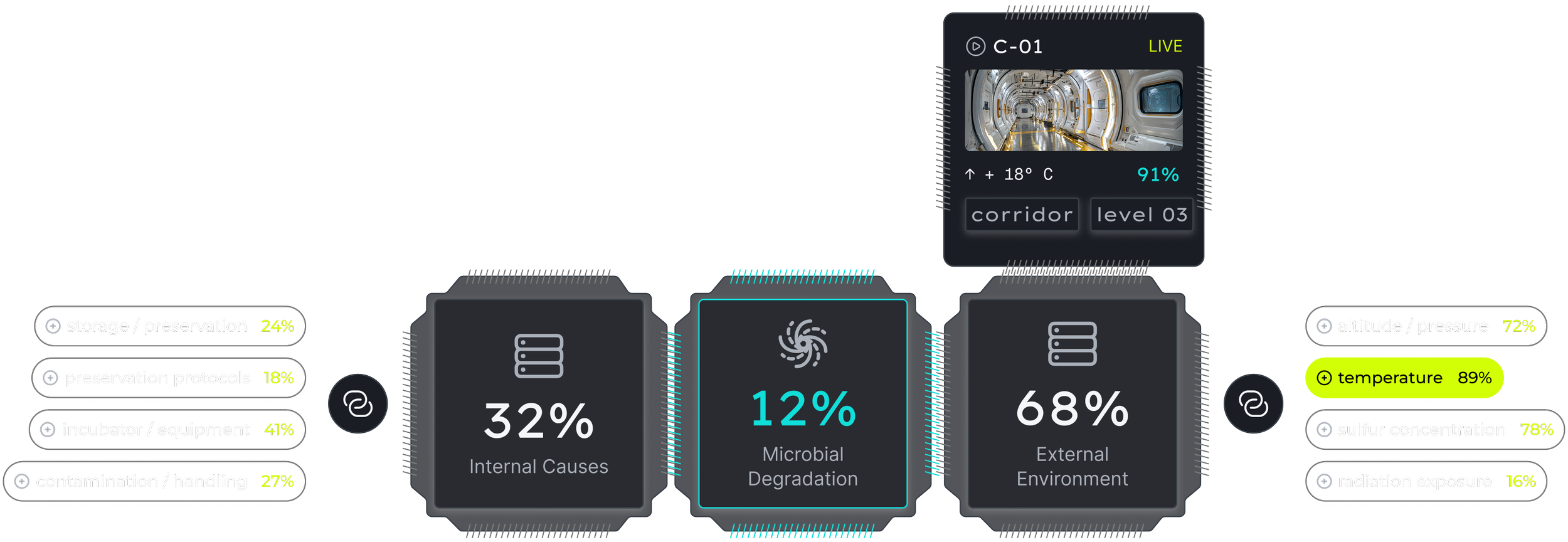
Rather than treating cameras as passive video feeds, Aetheris enriches each observation with contextual telemetry, location, environmental conditions, and AI-assessed relevance to the active investigation. Users can move between live and recorded observations, compare feeds, capture significant moments, and promote observations directly into the Investigation Canvas as evidence.
Viewer Components
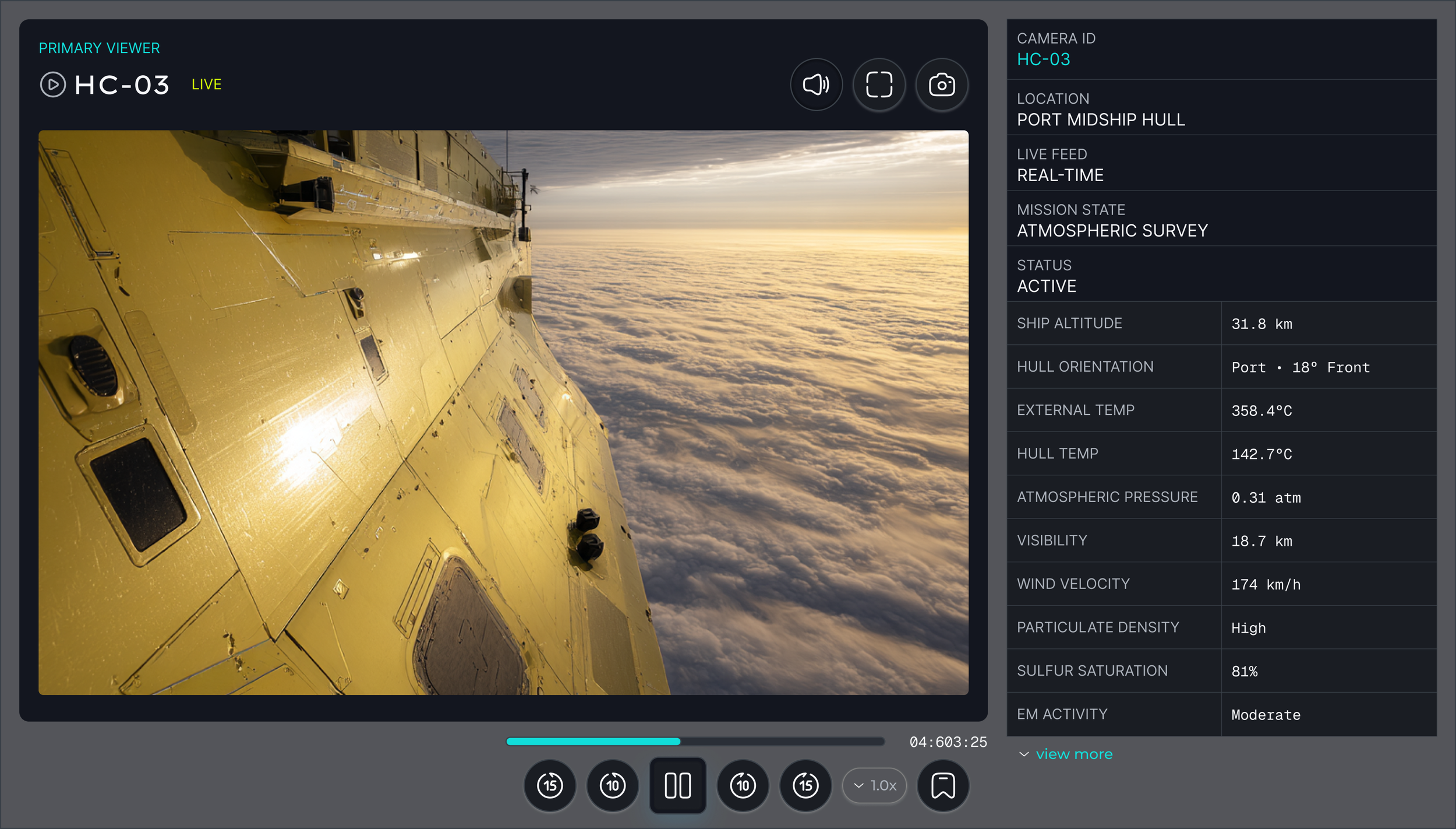
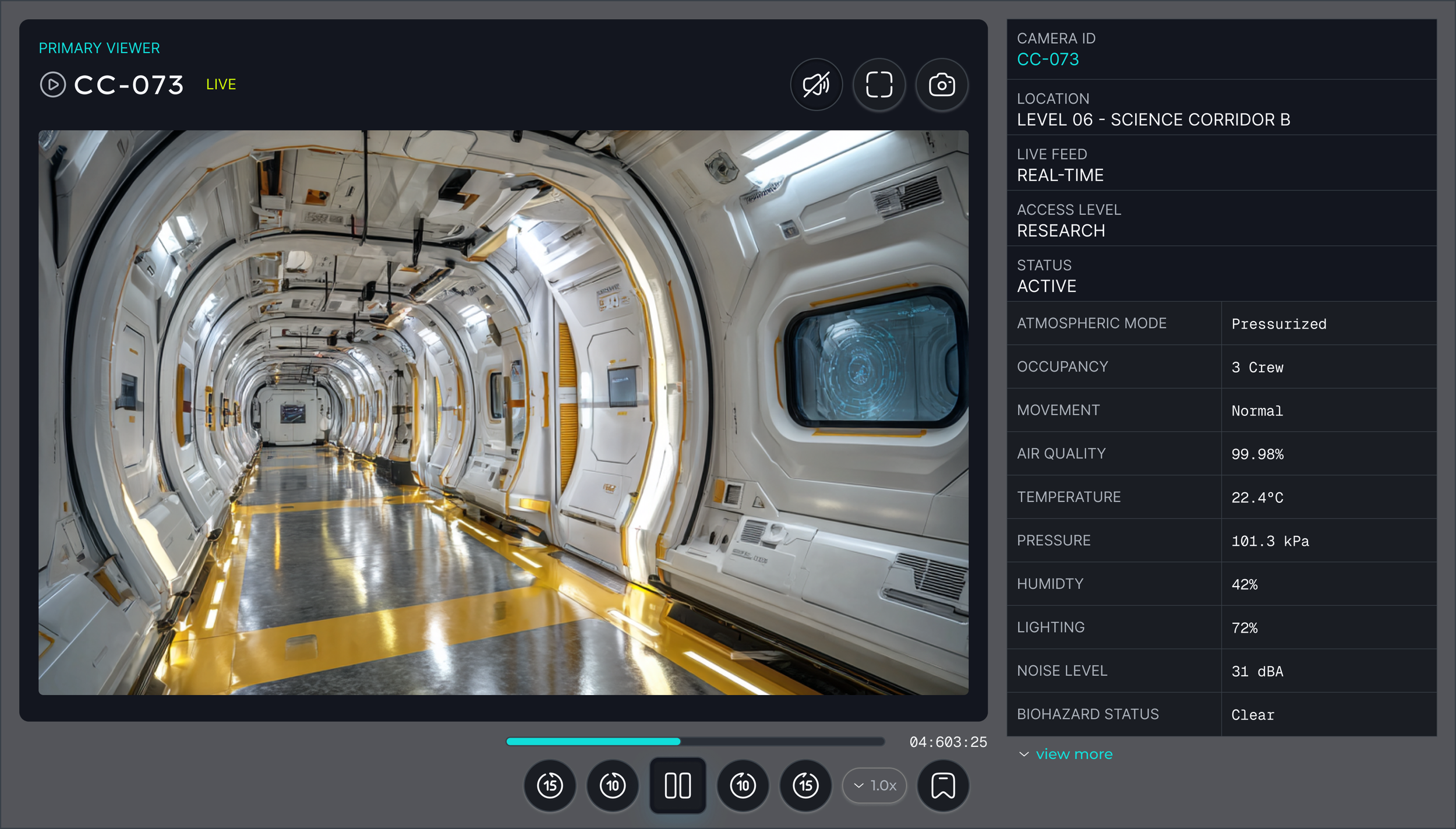
Observation viewers combine visual feeds with the data surrounding what the camera sees. Sensor readings, environmental deviations, semantic tags, location, and investigation relevance transform each feed from simple video into a context-aware observation object that can participate in the wider Aetheris knowledge system.
Observation Drawer
The Observe drawer provides rapid access to perception systems distributed throughout Aetheris. Crew members can move between hull cameras, corridor cameras, audio feeds, environmental feeds, crew positions, and event records without leaving their investigation.
Feeds can be ranked and surfaced according to their relevance to the active question, helping the crew focus on meaningful changes rather than manually searching through hundreds of independent data streams.
From Observation to Evidence
Observe is intentionally separated from interpretation. The system can notice, contextualize, and suggest—but the crew decides what matters. Significant observations can be captured, sequenced, annotated, or added to the Investigation Canvas, where they become part of a developing hypothesis rather than disappearing into a traditional monitoring log.
Threads Intelligence
Threads allow Aetheris to surface relationships that may not yet be visible to the crew. Rather than simply collecting information, the system continuously evaluates how observations, investigations, telemetry, and crew activity may relate—while keeping the human responsible for deciding whether those relationships become part of the investigation.
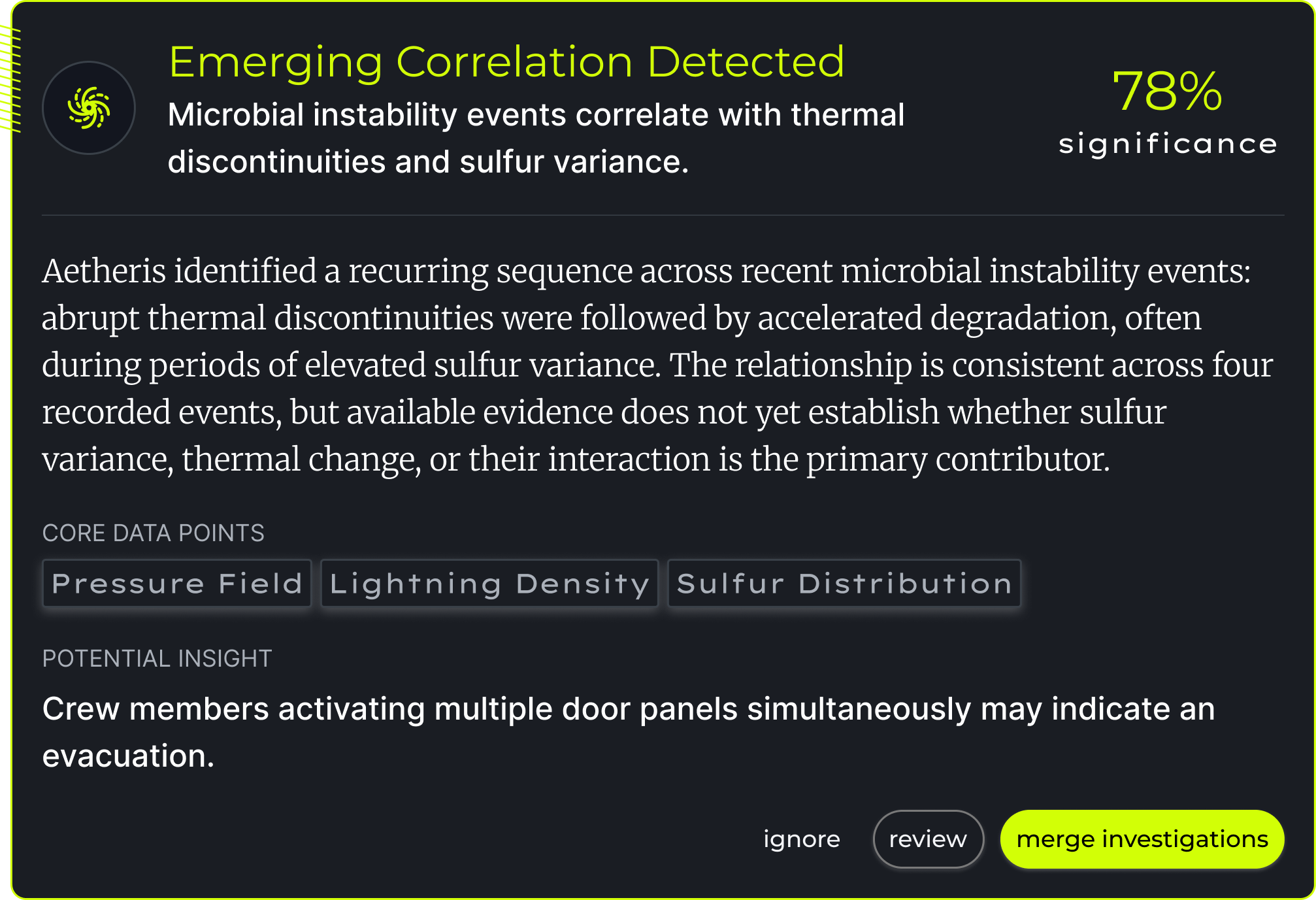
Emerging Correlations identify patterns forming across multiple sources or investigations. Aetheris presents the supporting signals, significance, and uncertainty so crew members can review the relationship before choosing to connect or merge investigations.

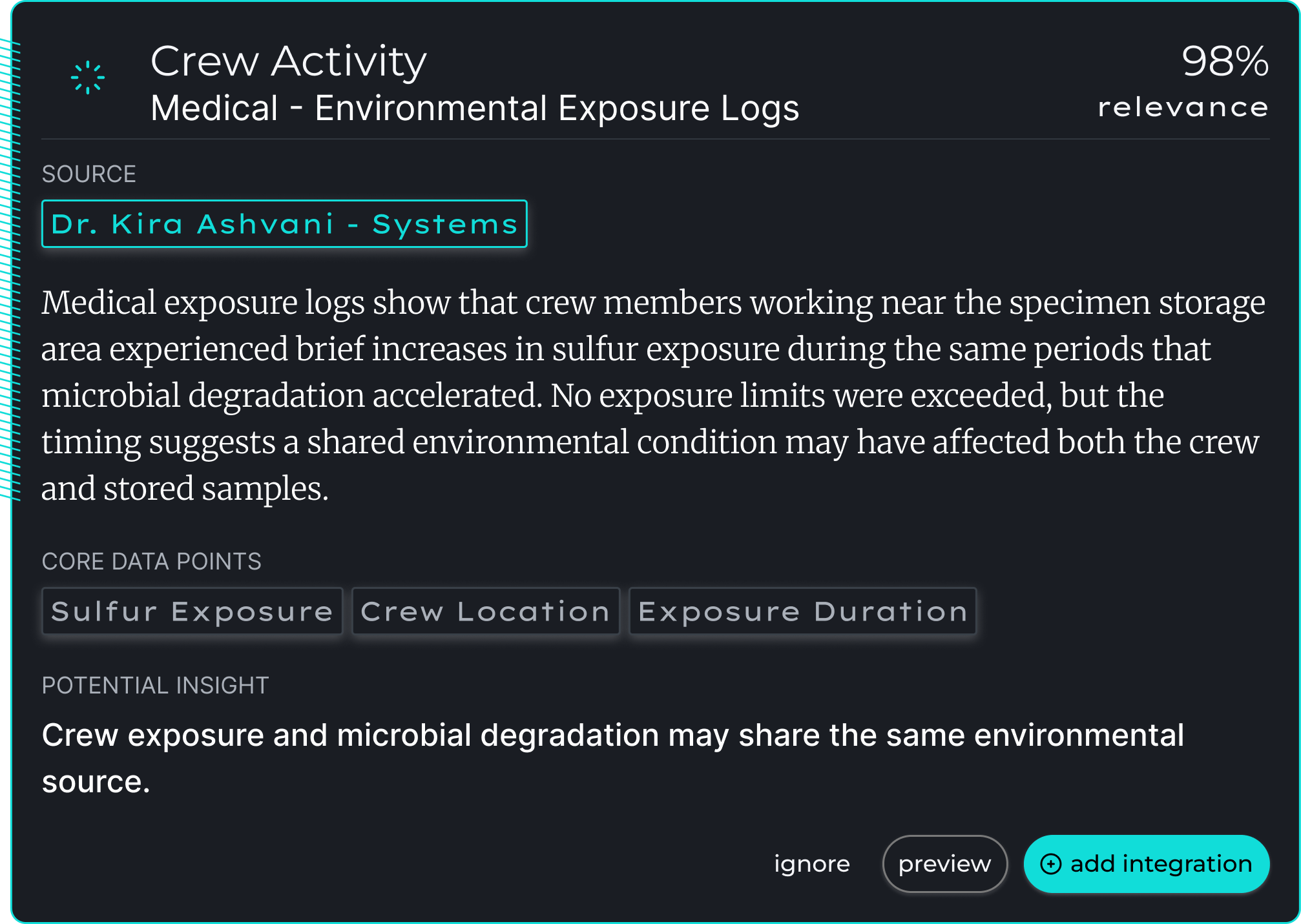
Thread Integrations surface existing knowledge from elsewhere in the ship that may contribute to the current line of inquiry. Relevant records—such as crew activity, medical logs, environmental data, or previous analyses—can be previewed and intentionally integrated without automatically altering the investigation.

Artifacts of the Story
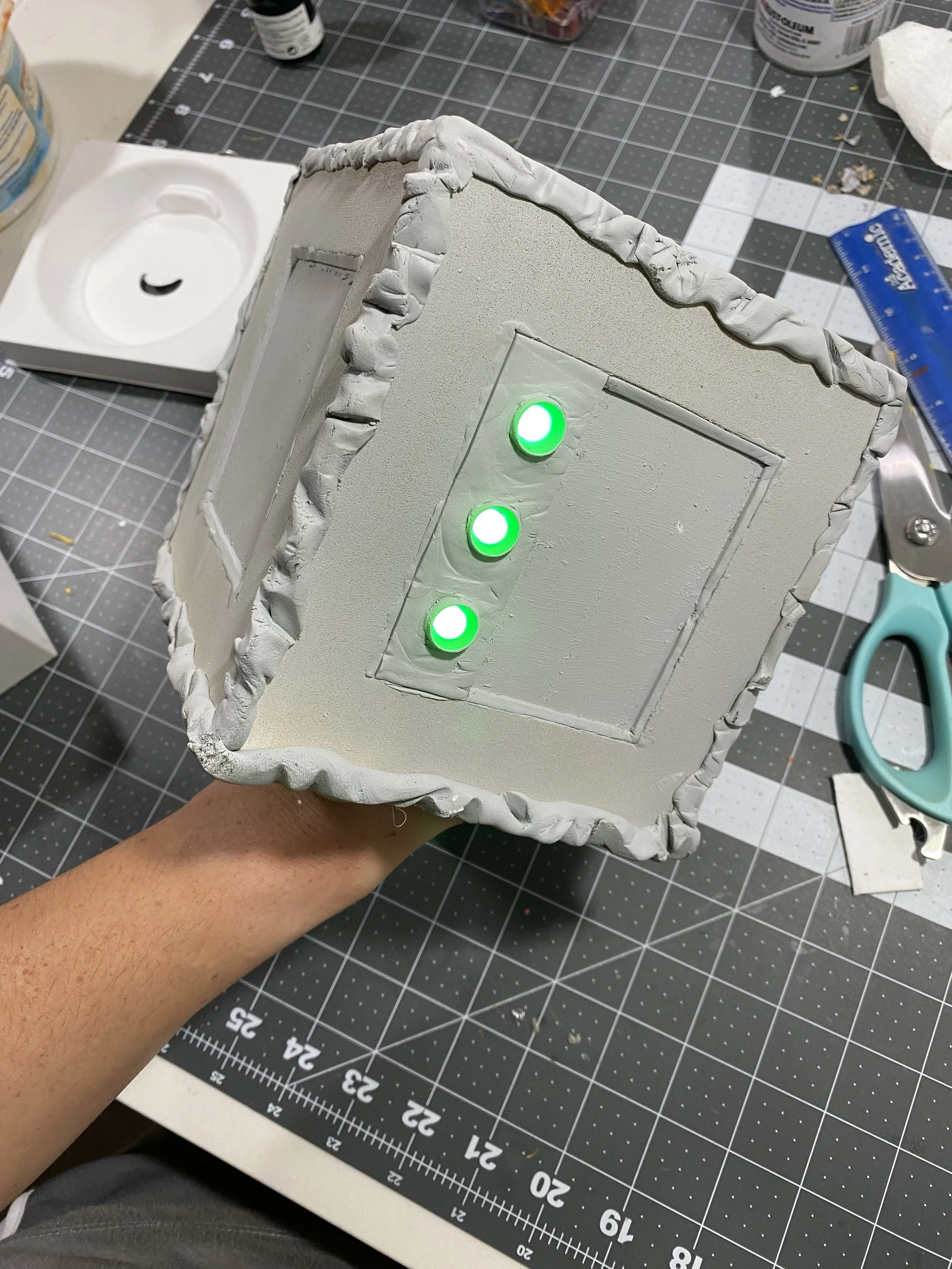
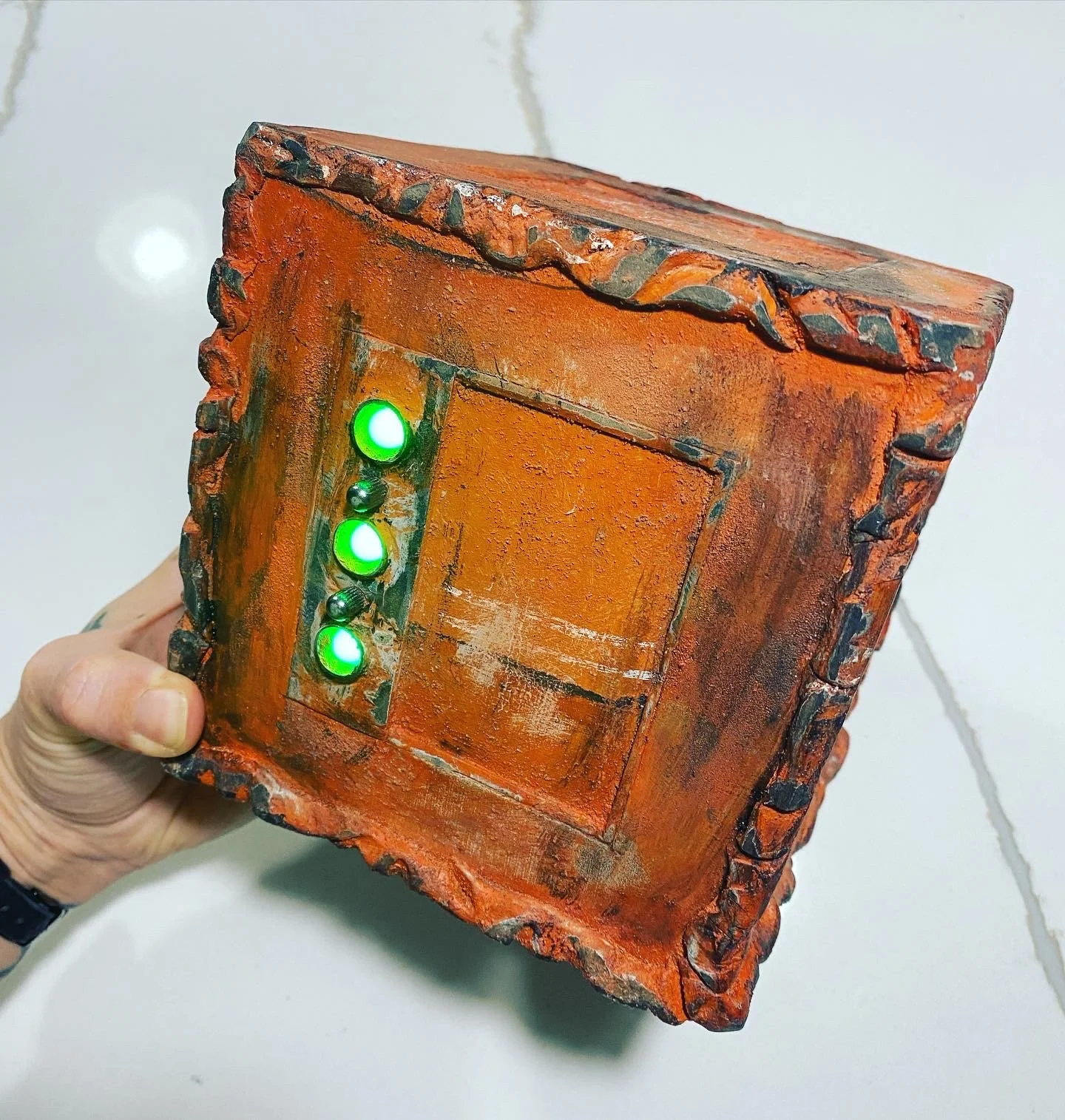
Technology and physical props for Lavegavon were developed alongside the writing process. Many elements were crafted from recycled materials—packaging, modeling clay, spray paint—combined with imagination and iterative design.
These tactile prototypes helped ground the speculative world in physical reality, allowing form and function to evolve in parallel with narrative.
Artificial Rendering
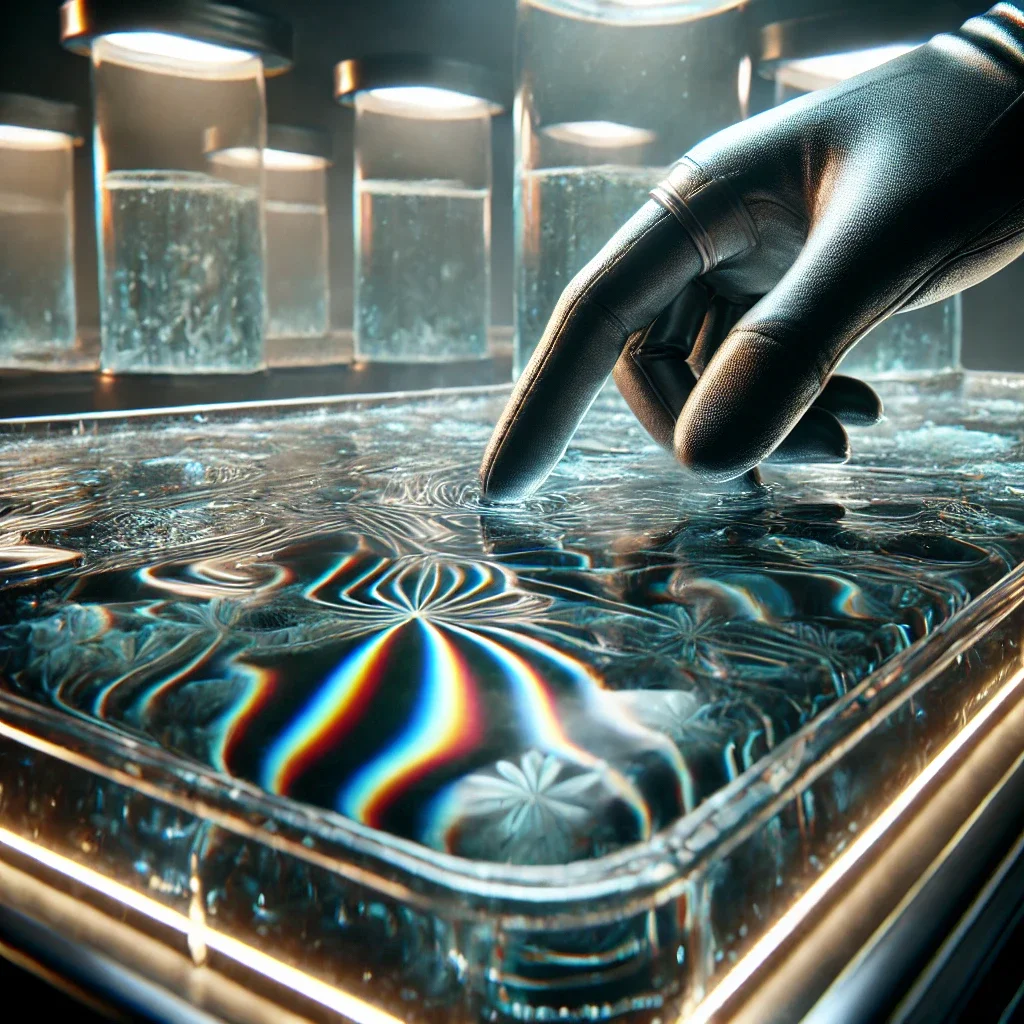
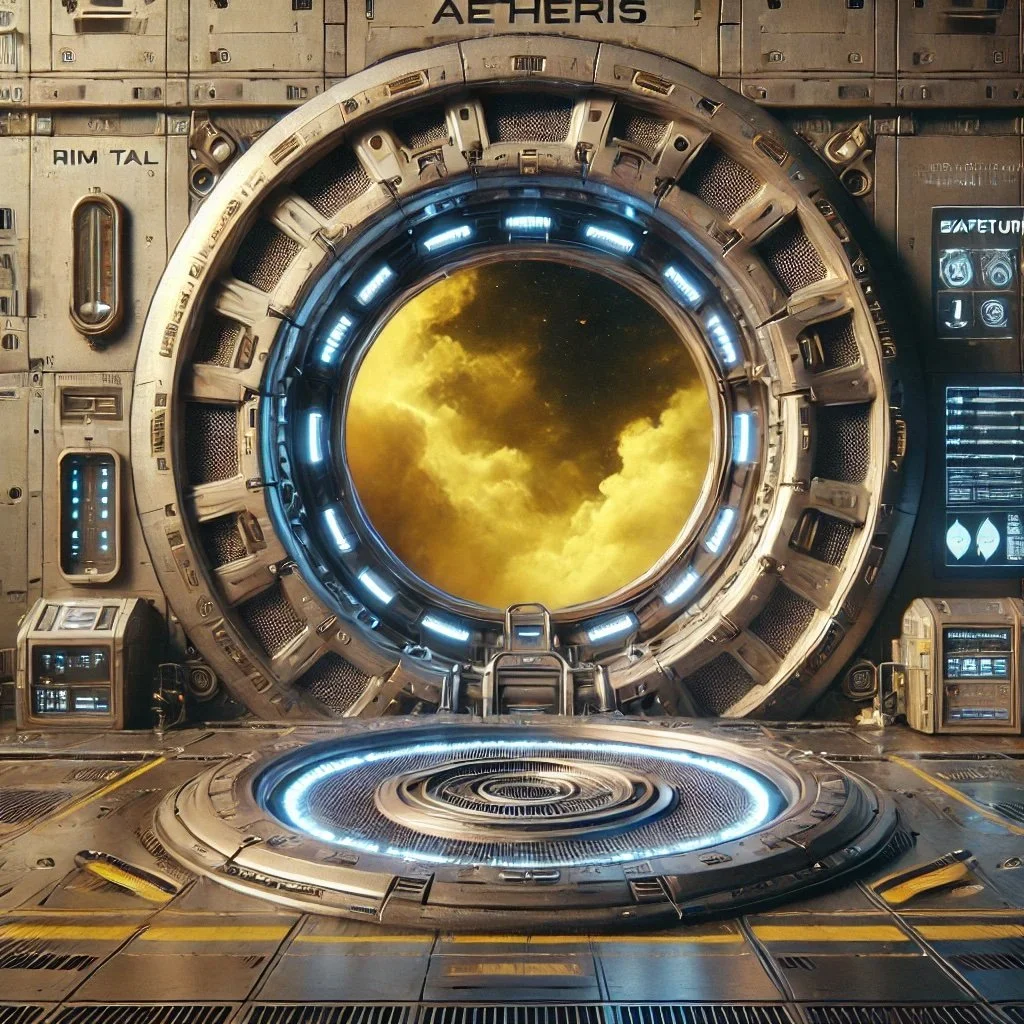
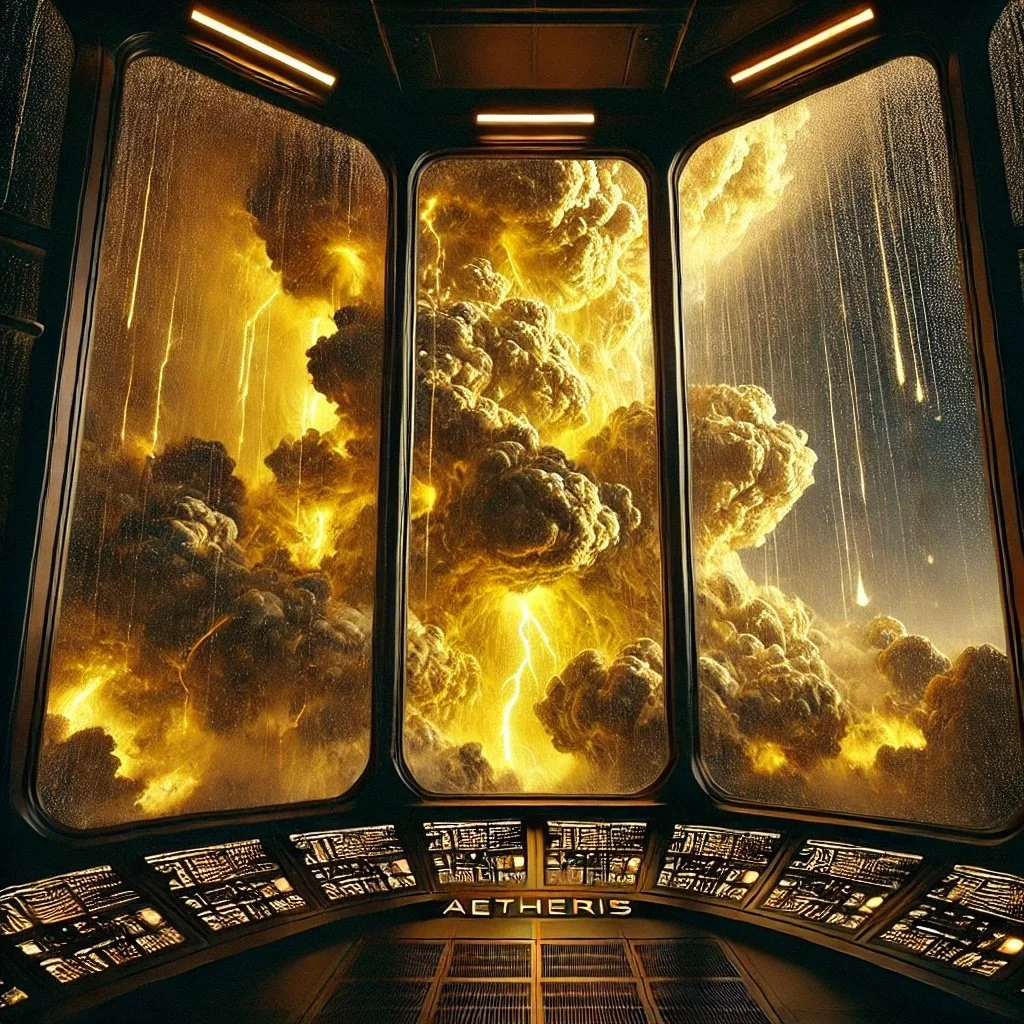
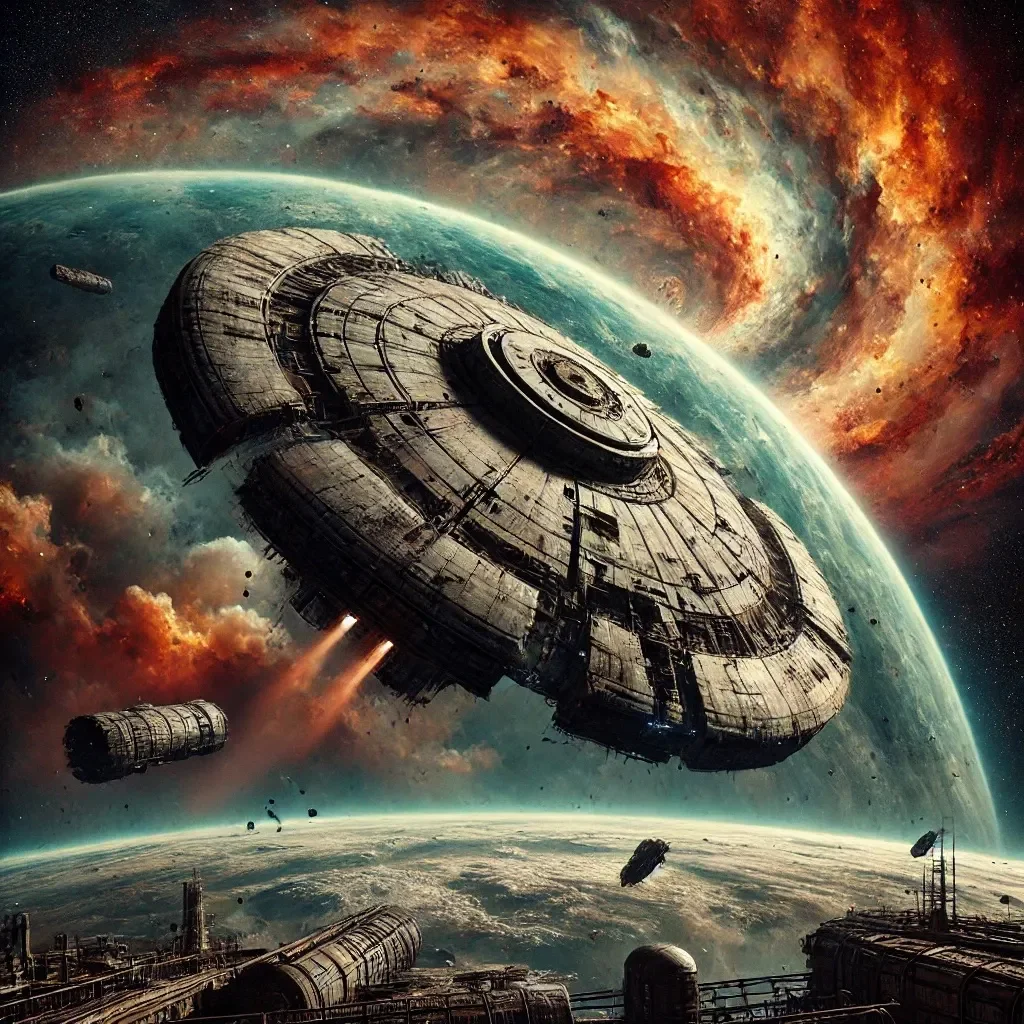
As scenes emerged, the Studio also leveraged generative AI to visualize key moments. Descriptive excerpts were used as prompts to explore mood, architecture, and character presence.

The resulting images served as visual companions to the text—bridging written language with cinematic imagination.